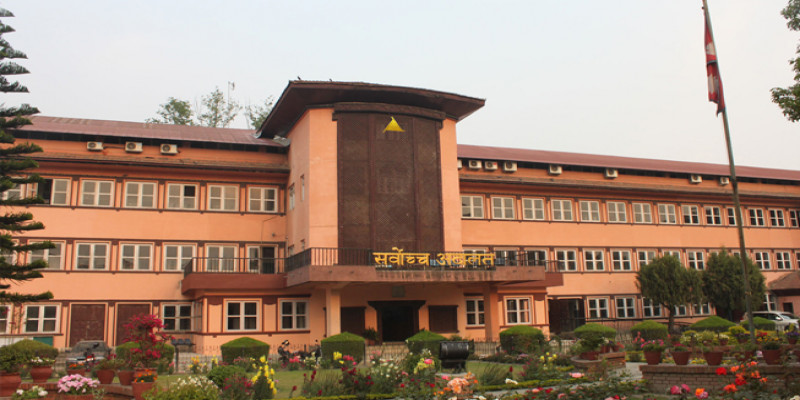
सर्वोच्च अदालत
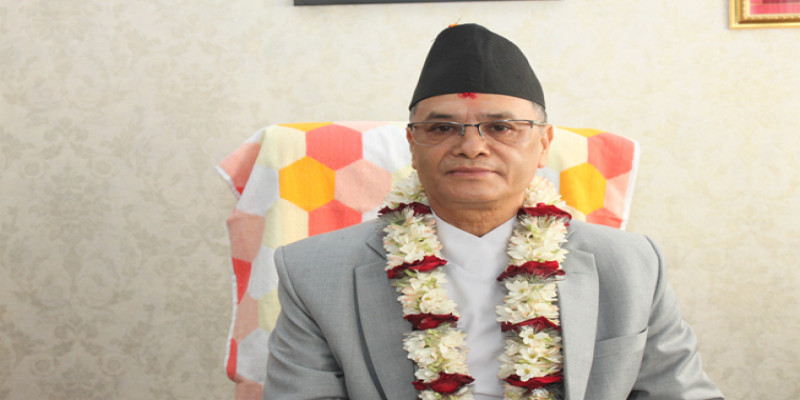
सर्वोच्च अदालत
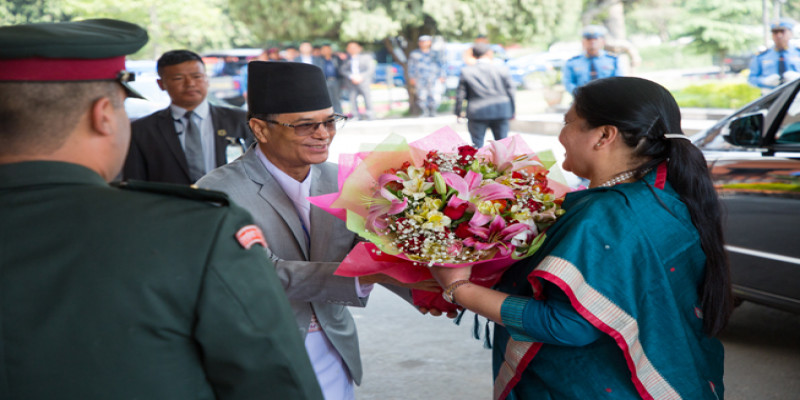
सर्वोच्च अदालत
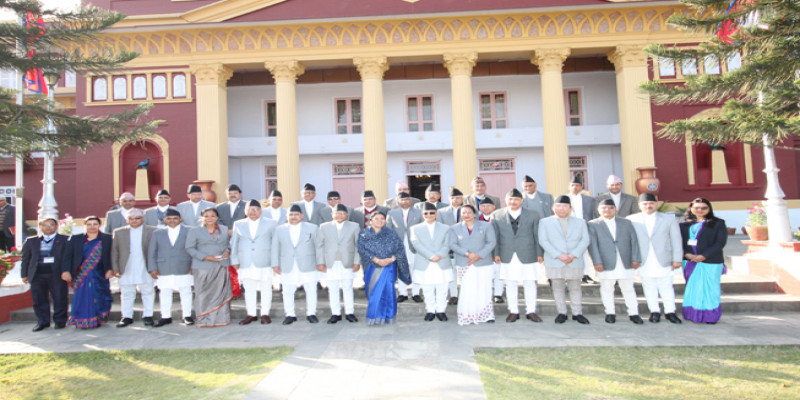
सर्वोच्च अदालत
-
Address:
Ramashah Path, Kathmandu, Nepal
-
Phone No.:
-
Email:
-
Website:
-
Fax:
N/A
Supreme Court of Nepal (सर्वोच्च अदालत) - Jurisdiction, Judges & Case Information
Nepal's judicial system is topped by the Supreme Court (सर्वोच्च अदालत), sitting in Kathmandu. Its powers come from the Constitution of Nepal and federal law, and cover appellate jurisdiction, extraordinary jurisdiction for enforcing fundamental and other legal rights, constitutional and legal interpretation, and review of its own judgments and final orders. Alongside these core functions, the Court runs judicial services for the public, including case information, judgments and orders, and other court-related resources.
About the Supreme Court of Nepal
As Nepal's highest judicial authority, the Supreme Court (sarbochha adalat)'s jurisdiction is set out primarily in the Constitution and applicable federal laws. It hears appeals and other matters within that jurisdiction and holds extraordinary powers over the enforcement of fundamental rights, other legal rights where no adequate remedy exists, and constitutional or legal questions arising in public-interest matters.
The Constitution also gives the Court authority over original proceedings, appeals, reviews, and other judicial matters governed by federal law.
Need Legal Representation Before the Supreme Court of Nepal?
Get professional legal guidance and representation from experienced lawyers familiar with Supreme Court proceedings, appeals, writ petitions, and complex constitutional and civil matters.
Connect with a Supreme Court Lawyer →
Jurisdiction of the Supreme Court of Nepal
The jurisdiction of the Supreme Court includes several important areas.
Appellate Jurisdiction
The Supreme Court (सर्वोच्च अदालत नेपाल) hears appeals from High Court decisions where an appeal is permitted by the Constitution or applicable federal law. The availability of an appeal depends on the nature of the case, the way it was decided, and the relevant procedural legislation.
It may also deal with matters involving important questions concerning the interpretation of the Constitution or law, as provided by the Constitution and applicable legislation.
Extraordinary Jurisdiction
The Supreme Court has extraordinary jurisdiction for the enforcement of fundamental rights and certain other legal rights where no other remedy is available, or where an available remedy is inadequate or ineffective.
It may also settle constitutional or legal questions involved in disputes of public interest or concern.
Writ jurisdiction. Under its extraordinary jurisdiction, the Court can issue:
- Habeas Corpus
- Mandamus
- Certiorari
- Prohibition
- Quo Warranto
Which writ applies, and whether one is available at all, depends on the specific facts and the relevant constitutional and legal provisions.
Constitutional and legal interpretation. The Court rules on questions of constitutional and legal interpretation within its jurisdiction, and its decisions shape the development of Nepalese law.
Review of judgments and final orders. The Constitution allows the Court, under set conditions, to review its own judgments and final orders. This is a distinct process from an ordinary appeal, governed by its own legal provisions and procedure.
Powers and Functions of the Supreme Court
The Supreme Court performs several important judicial functions.
1. Protection and Enforcement of Rights
The Court may exercise its extraordinary jurisdiction to enforce fundamental rights and certain other legal rights in accordance with the Constitution.
2. Constitutional Review
The Constitution provides mechanisms through which laws may be challenged for inconsistency with constitutional provisions. The Supreme Court has constitutional authority to determine such questions within its jurisdiction.
3. Hearing Appeals
The Court hears appeals and other matters assigned to it by the Constitution and federal law.
4. Constitutional and Legal Interpretation
The Court resolves constitutional and legal questions that fall within its jurisdiction and contribute to the development of Nepalese jurisprudence through its decisions.
5. Judicial Administration and Supervision
The Supreme Court has constitutional authority to inspect and supervise courts, specialised courts and other judicial bodies within its jurisdiction. It may also issue necessary directions relating to judicial administration and management in accordance with the Constitution and applicable law.
6. Contempt of Court
The Supreme Court may exercise contempt jurisdiction in accordance with the Constitution and applicable law to protect the administration of justice and the authority of judicial proceedings.
Constitutional Bench of the Supreme Court
The Constitution of Nepal provides for a Constitutional Bench within the Supreme Court under Article 137.
The Constitutional Bench consists of Chief Justice and four other Supreme Court Justices designated by the Chief Justice on the recommendation of the Judicial Council, and it deals with constitutional matters assigned to it under the Constitution, including specified disputes and questions requiring constitutional interpretation.
Cases falling within the Constitutional Bench's jurisdiction are handled according to the constitutional and legal provisions governing the Bench.
Case Search and Case Status
Most people looking up the Supreme Court want practical case information rather than background on the institution. The official Supreme Court website provides access to case details, judgments, orders and other online court services.
Depending on the information available, users may need details such as:
- Case number
- Registration information
- Case type
- Parties' names
- Relevant year or date
For the most accurate and current case information, use the official Supreme Court online services. Depending on the Supreme Court service being used, search options may vary. The official Case Process Details service currently allows users to search using details such as the case number, registration date or decision date.
Official case and court services:
Supreme Court Judgments and Decisions
The Supreme Court- सर्वोच्च अदालत नेपाल publishes judgments, orders and other judicial information through its official systems.
Users looking for Supreme Court decisions may be interested in:
- Full-text judgments
- Orders
- Landmark decisions
- Judgment databases
- Case-related information
Official Supreme Court judgment resources:
Full Text of the Judgment / Order
Appealing to the Supreme Court
Appeals from High Court decisions reach the Supreme Court under conditions set by the Constitution and federal law.
Whether a case qualifies for appeal, and what procedure, deadlines, documents, and fees apply, depends on the type of case and the governing law.
Anyone considering an appeal should review the relevant procedural law and get legal advice where needed.
Writ Petitions in the Supreme Court of Nepal
A writ petition falls within the Supreme Court's extraordinary jurisdiction, covering:
- Habeas Corpus
- Mandamus
- Certiorari
- Prohibition
- Quo Warranto
The right remedy depends on the facts of the case. Anyone considering a writ petition should get advice from a qualified legal professional and check the applicable constitutional and procedural requirements.
Location and Contact
Supreme Court of Nepal Ramashah Path, Kathmandu, Nepal
Email: [email protected]
Website: www.supremecourt.gov.np
Contact details and services can change, so confirm them on the official website before visiting or reaching out.
Official Website and Online Services
The official Supreme Court website is the primary source for current information on court services, case status, judgments and orders, court notices, judicial information, contact details, and other official publications.
Website: www.supremecourt.gov.np
Lawyers & Legal Representation
Nepal Lawyer provides information about lawyers and legal professionals who may assist with matters involving the Supreme Court and other courts in Nepal.
- Constitutional law
- Civil litigation
- Criminal law
- Writ proceedings
- Commercial disputes
- Property disputes
- Family law
- Administrative law
- Public interest litigation
View relevant Nepal Lawyer lawyer profiles to compare professional experience and areas of practice.
Frequently Asked Questions
1. What is the Supreme Court of Nepal?
The Supreme Court is the highest court in Nepal's judicial system and exercises jurisdiction provided by the Constitution of Nepal and federal law.
2. Where is the Supreme Court of Nepal located?
The Supreme Court is located at Ramashah Path, Kathmandu, Nepal.
3. What is the Nepali name of the Supreme Court?
The Nepali name is सर्वोच्च अदालत (sarbocha adalat)
4. What cases does the Supreme Court hear?
The Supreme Court hears appeals and other matters within its constitutional and statutory jurisdiction, including specified constitutional, writ, review and other proceedings.
5. Can I check the Supreme Court case online?
The official Supreme Court website provides online case-related services. Users should use the official system for the most current case information.
6. Where can I find Supreme Court judgments?
Supreme Court judgments and orders are available through official Supreme Court resources. Always verify the current judgment or order from the official source when relying on it for legal purposes.
7. What writs can the Supreme Court issue?
The Constitution identifies writs including habeas corpus, mandamus, certiorari, prohibition and quo warranto.
8. Can a High Court decision be appealed to the Supreme Court?
The Supreme Court hears appeals from High Court decisions in circumstances provided by the Constitution and applicable federal law.
9. Who is the current Chief Justice of Nepal?
Manoj Kumar Sharma is the current chief justice of Nepal.
Related Courts and Legal Resources
- Courts of Nepal
- Patan High Court
- Kathmandu District Court
- Nepal Laws and Legal Acts
- Supreme Court Lawyers in Nepal
- Legal Services in Kathmandu
Official source: Supreme Court of Nepal- www.supremecourt.gov.np
Note: This page offers general information about the Supreme Court of Nepal. Procedures, fees, contact details, case status, and other administrative specifics can change, verify current information with the Supreme Court of Nepal and applicable law.
Supreme Court of Nepal Judges/Members
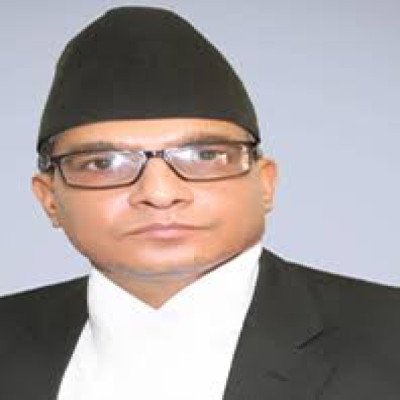
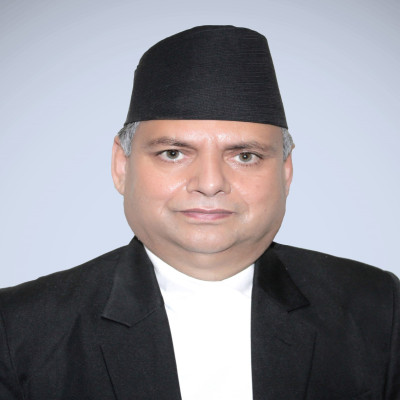
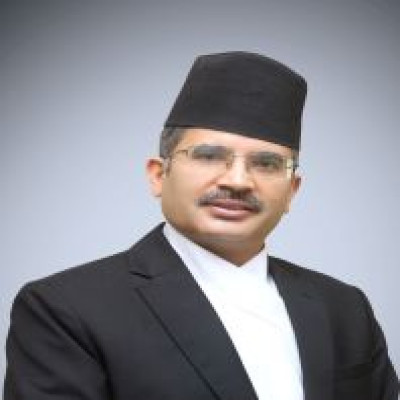
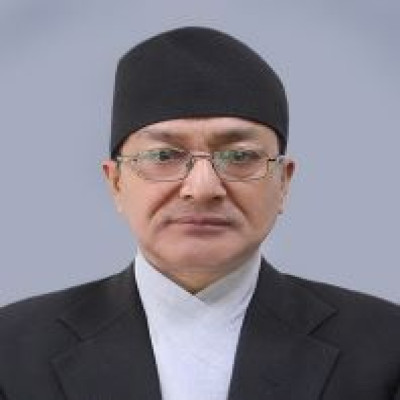
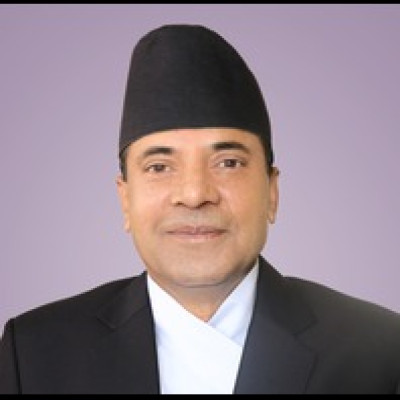
Honorable Dr. Manoj Kumar Sharma Justice
Office of the Honorable Chief Justice
- 01-4249414, 01-4310071
- [email protected]
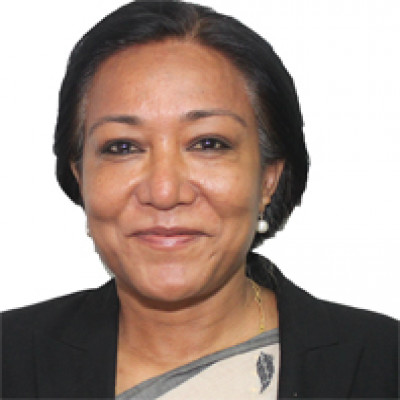
Honorable Mrs. Sapana Pradhan Malla
Justice
A. GENERAL INFORMATION 1. Date of Birth: November 15, 1963 ...
- 01-4249414, 01-4310071
- [email protected]
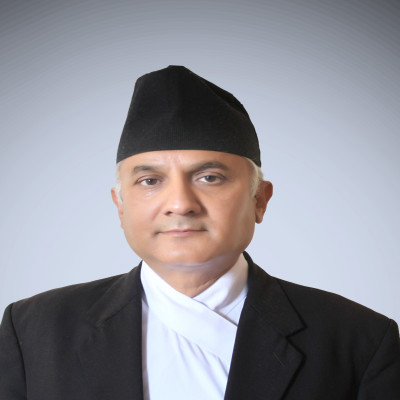
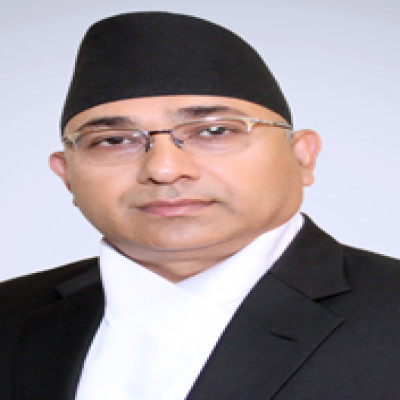
Honourable Mr. Hari Prasad Phuyal
Justice
A. GENERAL INFORMATION 1. Date of Birth:  ...

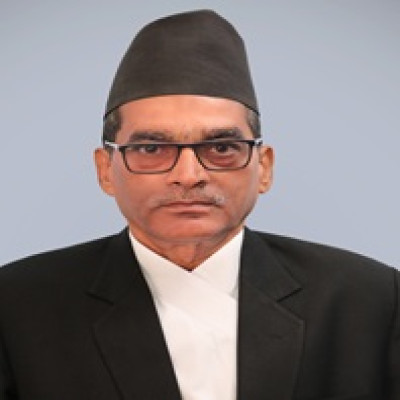
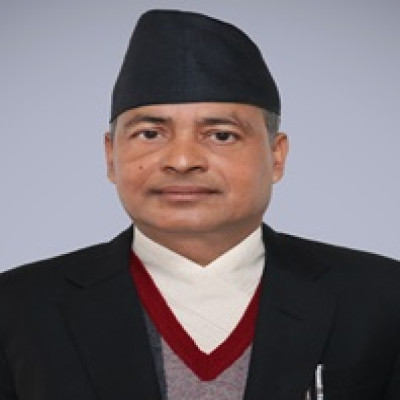
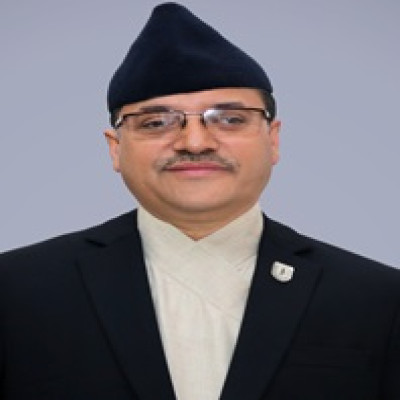
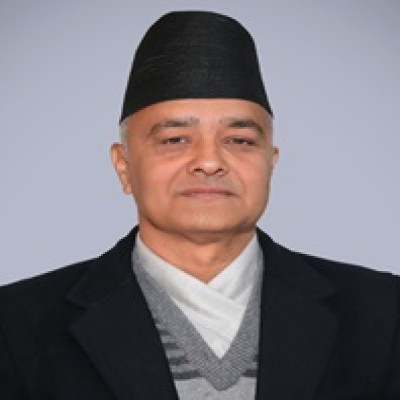
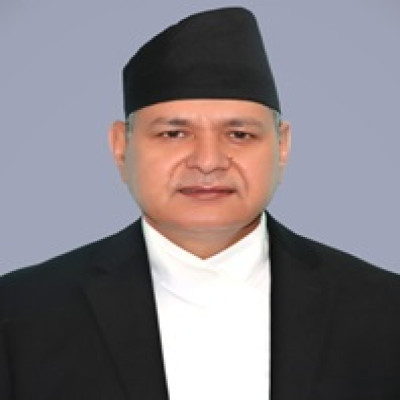
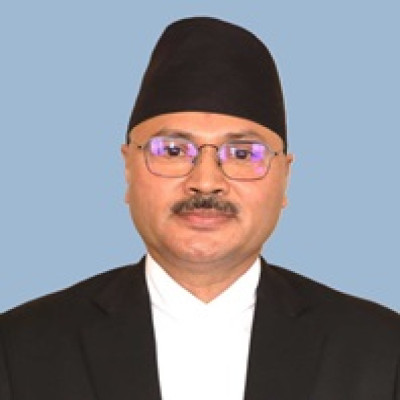
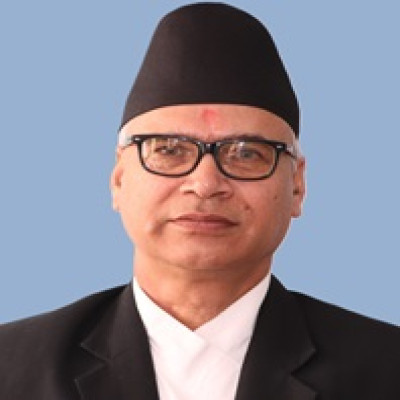
Supreme Court of Nepal
Lawyers
Lawyers who can serve you in Supreme Court of Nepal
Featured

Advocate Seema Adhikari
(5 out of 4) | 14+ consults
- Anamnagar , Kathmandu
- 7 Years Experience
Practice Area : Divorce / Child Custody/Child Support and 1 more
Featured

Advocate Mr. Nabin Bhandari
(5 out of 8) | 74+ consults
- Park Ln Road, Bhuddhanagar-10, Kathmandu, Nepal , Kathmandu
- 17 Years Experience
Featured

Advocate Mr. Surendra Tiwari
(5 out of 2) | 31+ consults
- 4th Floor, Gravity Center (Big Mart Complex), Anamnagar-29 , Kathmandu
- 13 Years Experience


Advocate Sakun Bhandari
(4.8 out of 53) | 44 + consults
- Park Lane Buddhanagar , Kathmandu
- 17 Years Experience
Advocate Mr. Nabin Bhandari
(5 out of 8) | 87 + consults
- Park Ln Road, Bhuddhanagar-10, Kathmandu, Nepal , Kathmandu
- 17 Years Experience
Advocate Mr. Surendra Tiwari
(5 out of 2) | 32 + consults
- 4th Floor, Gravity Center (Big Mart Complex), Anamnagar-29 , Kathmandu
- 13 Years Experience
Advocate Seema Adhikari
(5 out of 4) | 14 + consults
- Anamnagar , Kathmandu
- 7 Years Experience
Practice Area : Divorce / Child Custody/Child Support and 1 more

Advocate Mr. Deepesh Ojha
(0 out of 0) | 3 + consults
- Tokha Municipality-7, Kathmandu , Kathmandu
- 9 Years Experience
Practice Area : Public Procurement / Aviation
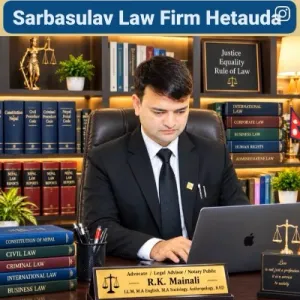
Advocate Mr. Radha Krishna M...
(4.9 out of 47) | 16 + consults
- Hetauda Makawanpur, Bara, Parsa, Rautahat, Chitwan, Dhading, Pokhara, Kathmandu, Bhaktapur, Lalitpur, Sindhuli... , Makwanpur
- 13 Years Experience
Practice Area : Family / Corporate Law and 8 more

Advocate Mr. Bibek Yonjan Ta...
(5 out of 1) | 0 + consults
- Anamnagar, kathmandu , Kathmandu
- 6 Years Experience
Practice Area : Family / Criminal Litigation and 4 more