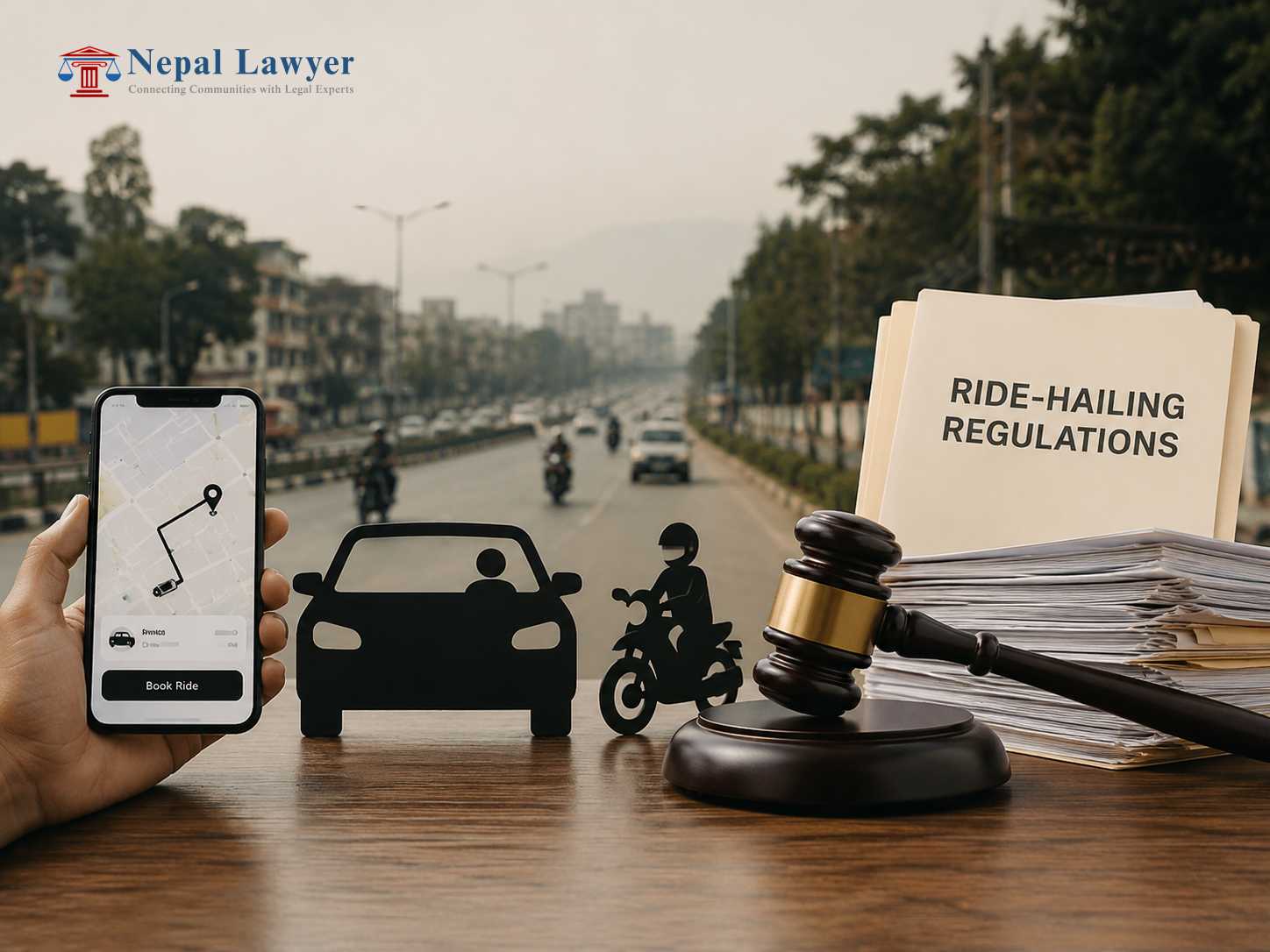
Kathmandu, Shrawan 14 - The government has not yet finalized proposed ride-hailing regulations in Nepal due to disagreements over ride-hailing fare, platform commissions, and the commercial usage of privately registered vehicles. The proposed Digital Mobility Service Operation Standards, 2026, aimed at regulating Nepal ride-hailing services such as Pathao Nepal and InDrive Nepal, is currently being reviewed by the Ministry of Physical Infrastructure and Transport (Nepal transport ministry) for over three months. Authorities indicate that discussions are ongoing as there is still no consensus among ride-hailing companies, drivers, public transport operators and government authorities.
As per the draft standards, the maximum base fare for two-wheelers would be set at Rs.25 per kilometer and Rs.55 for four-wheelers per kilometer. Fares may be raised by as much as 20 percent, depending on operating conditions, during night hours. The proposal would also restrict the commission imposed by digital platforms to no more than 10 percent of each fare, the rest of which would go to the driver. Ride-hailing companies in Nepal, including Pathao Nepal and InDrive Nepal, have reportedly been fighting the proposed pricing measures on the grounds of technical and financial challenges. A proposal to introduce some of the fare provisions on a trial basis has also failed to secure agreement among the concerned stakeholders.
Another unanswered question is whether privately registered vehicles with red number plates will be allowed to offer commercial ride-sharing Nepal services. Public transport operators have argued that other commercial vehicles using private registration should have separate identification markings. Existing Nepal transport law generally restricts the use of vehicles that are registered for private use to be used as public vehicles.
The draft also outlines a number of measures for the safety of passengers and measures for social protection. Ride-hailing companies must supply life insurance for both drivers and passengers, register them with the Social Security Fund Nepal, and set up 24-hour emergency-response and complaint-resolution systems. Female passengers would also be able to choose female drivers or riders.
There is also a plan for an accident fund to pay damages to passengers, drivers and riders in the event of an accident. The fund would be financed through deductions from passenger fares and contributions from service providers.
Despite the growing ride-hailing sector in Nepal and ride-sharing Nepal market, the government has yet to form a comprehensive national regulatory body and implement a comprehensive law. The proposed Digital Mobility Service Operation Standards are designed to set out procedures for licensing, fare controls, safety requirements and complaint procedures. However, the ride-hailing regulations in Nepal are still in draft status and will not be legally binding until they obtain final approval from the government.
Source: The Kathmandu Post