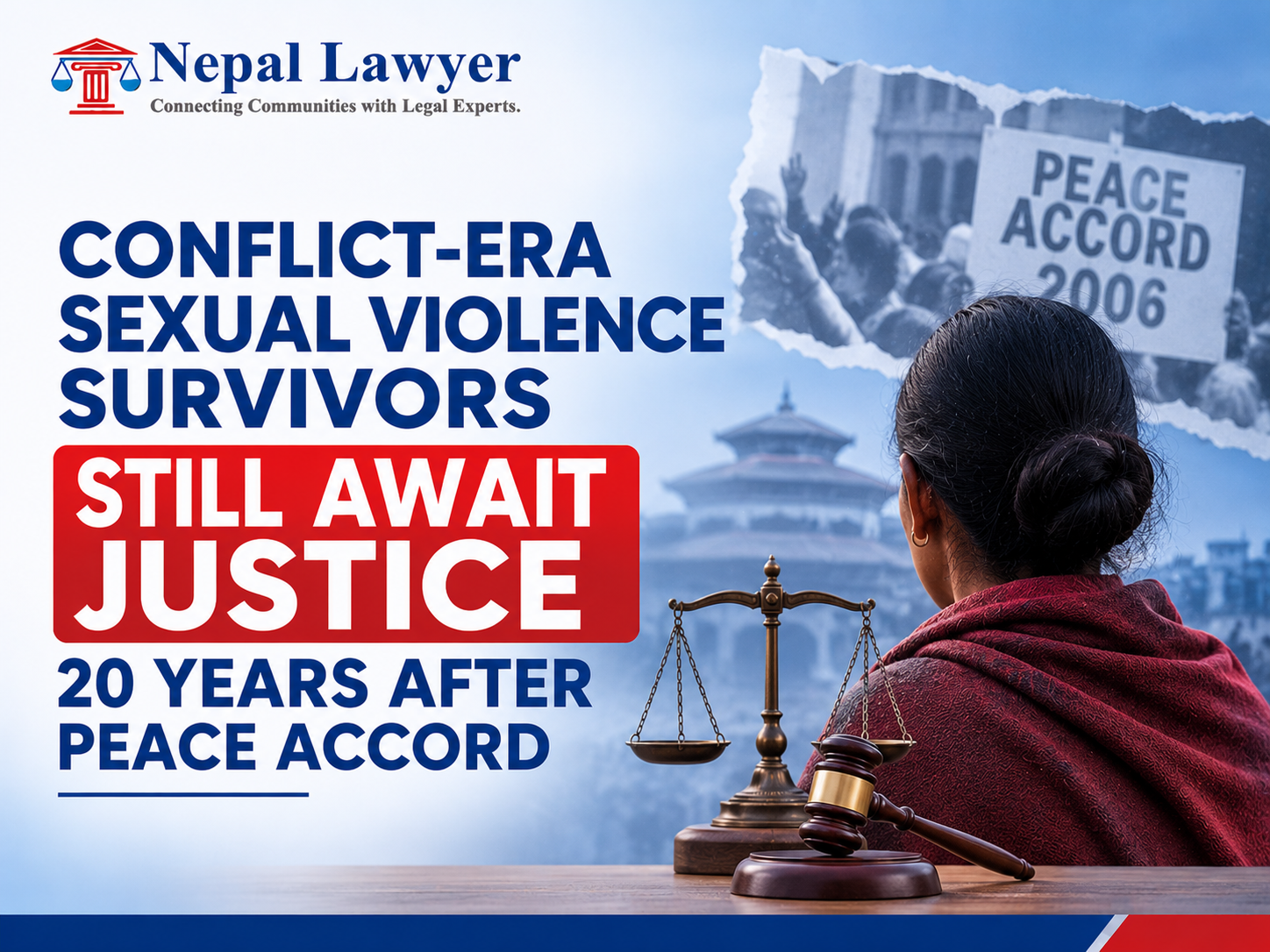
Kathmandu, Mangsir 6 – Twenty years after Nepal signed the Comprehensive Peace Accord, survivors of conflict-related sexual violence committed during the Maoist insurgency are still waiting for investigation, accountability, compensation and formal recognition from the state.
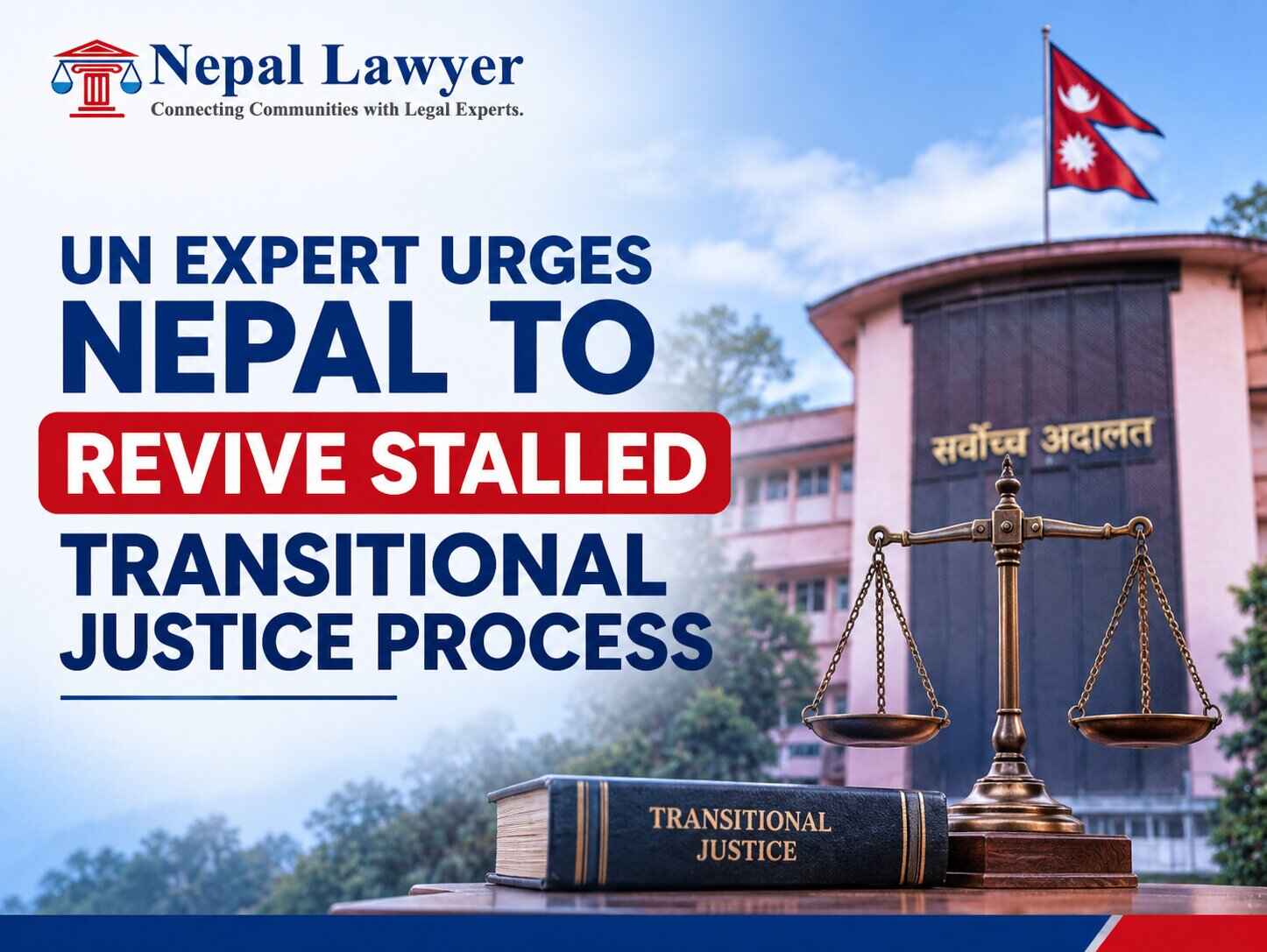
A total of 4,226 complaints related to conflict-era sexual violence had been filed by September 2025, but the Truth and Reconciliation Commission has not investigated any of them. The commission has also remained without commissioners since May, leaving the transitional justice process largely stalled.
Many survivors were unable to seek justice through the ordinary criminal system because Nepal’s law previously required rape complaints to be filed within just 35 days of the offence. Although limitation periods were later extended, legal barriers continue to affect many conflict-era cases.
The consequences of the violence have continued long after the conflict ended. Survivors have reported physical injuries, mental-health problems, economic hardship and social stigma, while many received little or no state assistance. Some were also unable to register police complaints when they first approached authorities.
In one case, the UN Human Rights Committee found in 2017 that a survivor had suffered torture, arbitrary detention, inhuman treatment and discrimination, and called on Nepal to investigate the case, prosecute those responsible and provide compensation. Those remedies have still not been fully implemented.
The government has allocated Rs1 billion for transitional justice investigations, relief and compensation, but the absence of functioning commissioners has prevented meaningful progress. Guidelines on interviewing survivors, recording testimony and protecting confidentiality have also been prepared but remain pending approval.
Human-rights advocates say justice must go beyond financial compensation. Survivors also need healthcare, rehabilitation, livelihood support, protection from stigma, official recognition and credible investigations into those responsible for conflict-era abuses.
Two decades after the peace agreement, Nepal’s transitional justice process remains incomplete. For survivors of sexual violence, the unresolved issues are not only compensation, but also truth, accountability, dignity and recognition of the harm they suffered.
Source: The Kathmandu Post