Kathmandu, Mangsir 7 - Twenty years after the signing of Nepal’s Comprehensive Peace Accord, thousands of conflict victims are still waiting for truth, justice, reparations and accountability for violations committed during the decade-long armed conflict.
The 2006 peace agreement formally ended the insurgency and laid the foundation for the integration of Maoist combatants, constitution-making through the Constituent Assembly and justice for victims of abuses committed by both state forces and Maoist rebels. While the political and constitutional transitions largely moved forward, transitional justice remains unfinished.
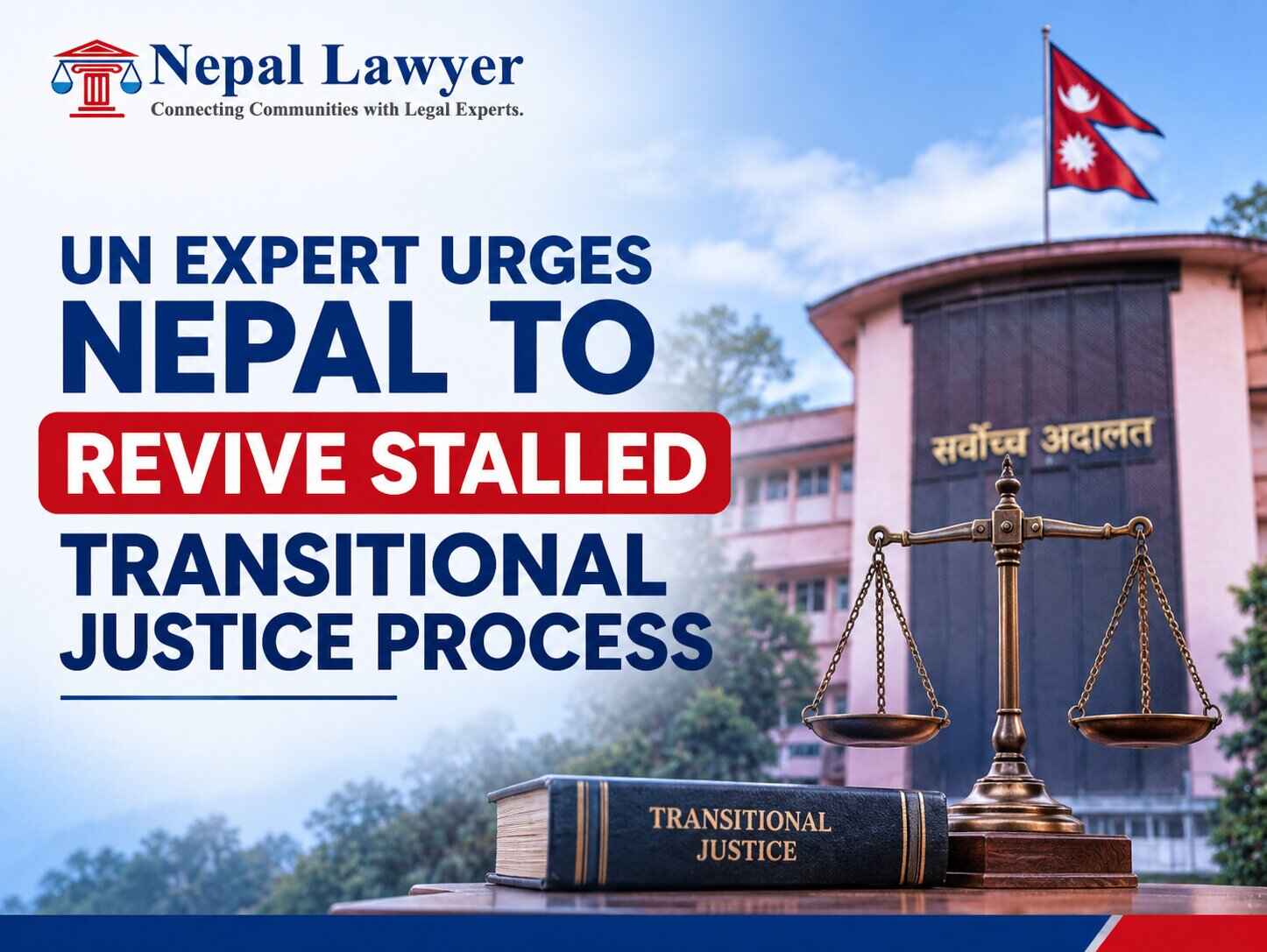
The process has faced another major setback since the government removed the office-bearers of the Truth and Reconciliation Commission and the Commission of Investigation on Enforced Disappeared Persons in May. Six months later, new commissioners have still not been appointed, leaving both transitional justice bodies without leadership.
Conflict victims have repeatedly sought dialogue with the government over appointments, investigations, reparations and the future of the transitional justice process. Victims have also staged protests and submitted requests for meetings with government officials, but say meaningful consultation has remained limited.
The government has taken some steps, including decisions to provide compensation to certain victims based on recommendations from the National Human Rights Commission, but broader questions involving prosecutions, truth-seeking, reparations and investigation of conflict-era violations remain unresolved.
A credible transitional justice process requires victims to be directly involved in decisions affecting them. This includes the appointment of commissioners, implementation of transitional justice laws, investigation of complaints, prosecution where legally required and distribution of reparations.
The vacant commissions also need sufficient independence, resources and institutional capacity to process the large number of unresolved conflict-era cases. Without functioning transitional justice bodies, victims continue to face uncertainty over when or whether their complaints will be formally investigated.
Two decades after the peace agreement, Nepal’s peace process therefore remains incomplete. Ending armed conflict was only one part of the agreement; completing the process also requires ensuring truth, justice, reparations and recognition for those who suffered during the conflict.
Source: The Kathmandu Post