Kathmandu, November 25, 2026
The use of artificial intelligence detection software in academic institutions has become the subject of a legal challenge at Nepal's Supreme Court, raising questions about academic fairness, students' rights and the reliability of AI-detection technology.
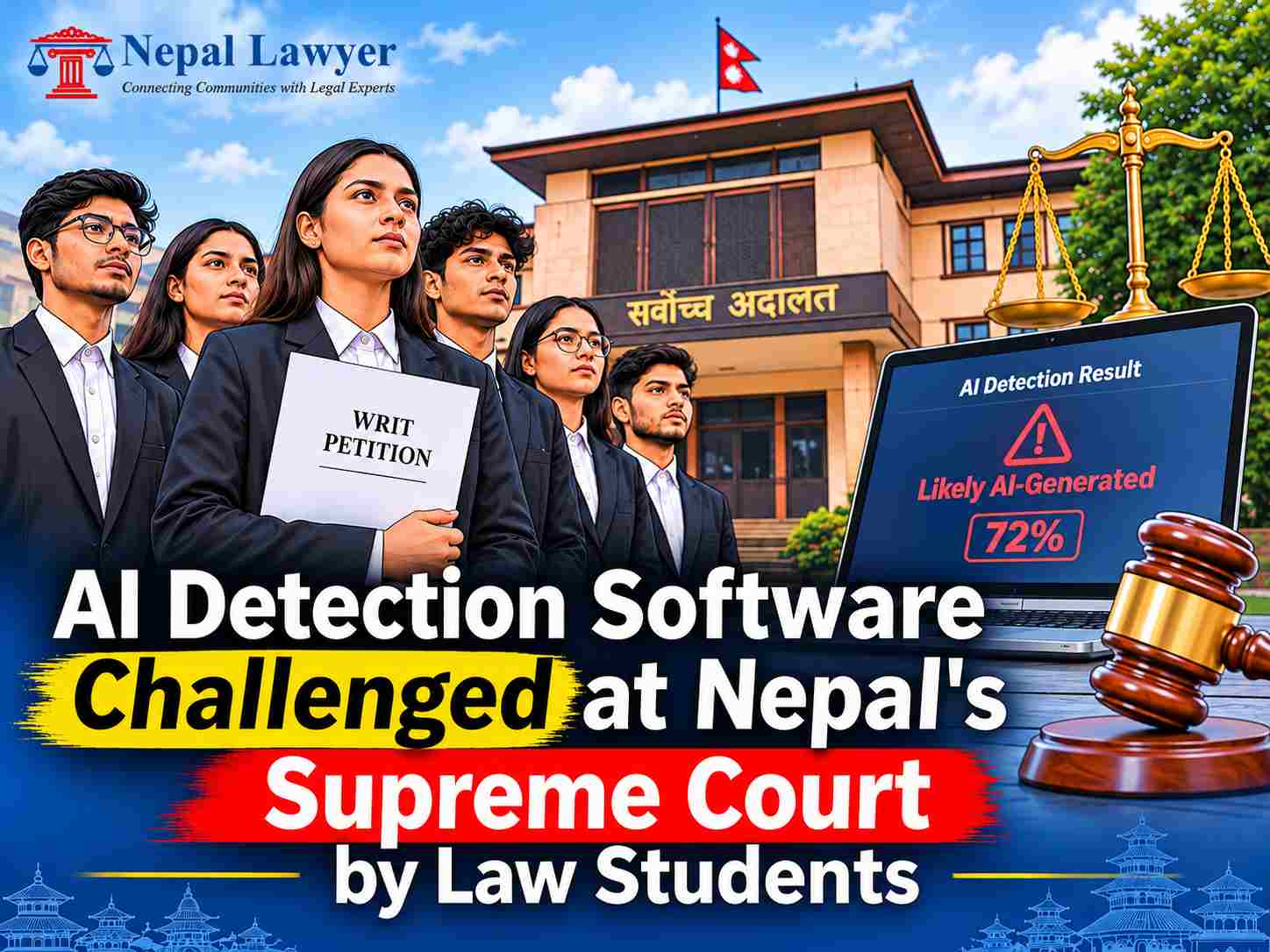
According to a report published by The Kathmandu Post, six law students have filed a writ petition challenging the use of AI-detection tools in academic assessment. The students argue that such software may incorrectly identify original work as AI-generated, potentially exposing students to rejection of academic submissions or disciplinary action.
Questions about reliability and fairness
The petition reportedly raises concerns about the reliability of AI-detection systems and the consequences of relying on automated results in academic decision-making.
Students have reportedly encountered differing results when testing the same work using different AI-detection tools. This has raised questions about whether AI-generated assessments should be relied upon without independent review and adequate procedural safeguards.
Legal questions surrounding academic discipline
The case raises broader legal questions concerning the authority of universities to establish disciplinary rules, the evidential value of AI-detection reports, procedural fairness and the protection of students' privacy.
As artificial intelligence becomes increasingly integrated into education, institutions may face growing pressure to establish clear policies distinguishing permitted AI assistance from plagiarism or academic misconduct.
The case could contribute to wider discussions about responsible AI use, academic integrity and safeguards against decisions based solely on automated detection tools.
The petition's allegations and arguments remain subject to judicial consideration.