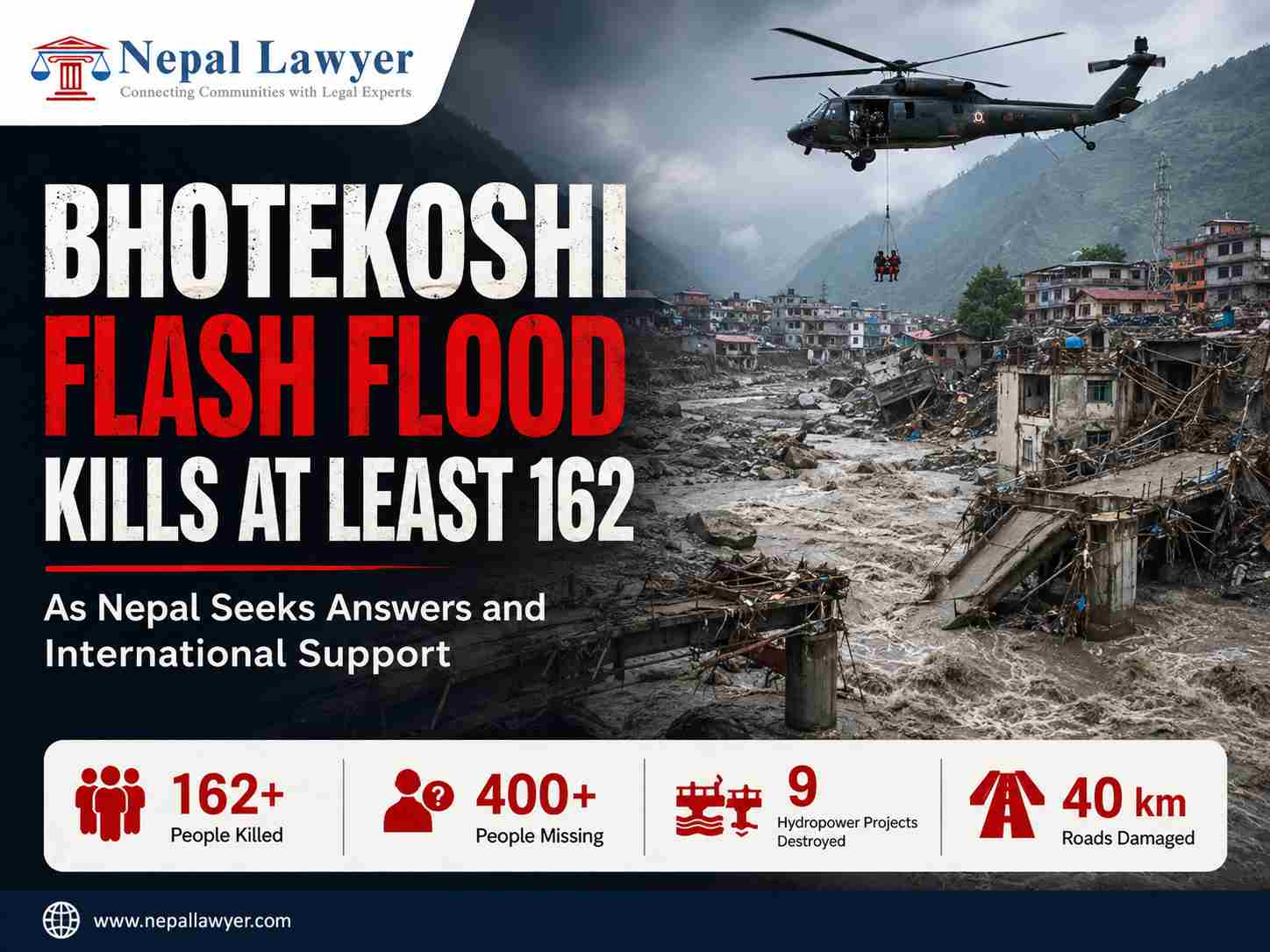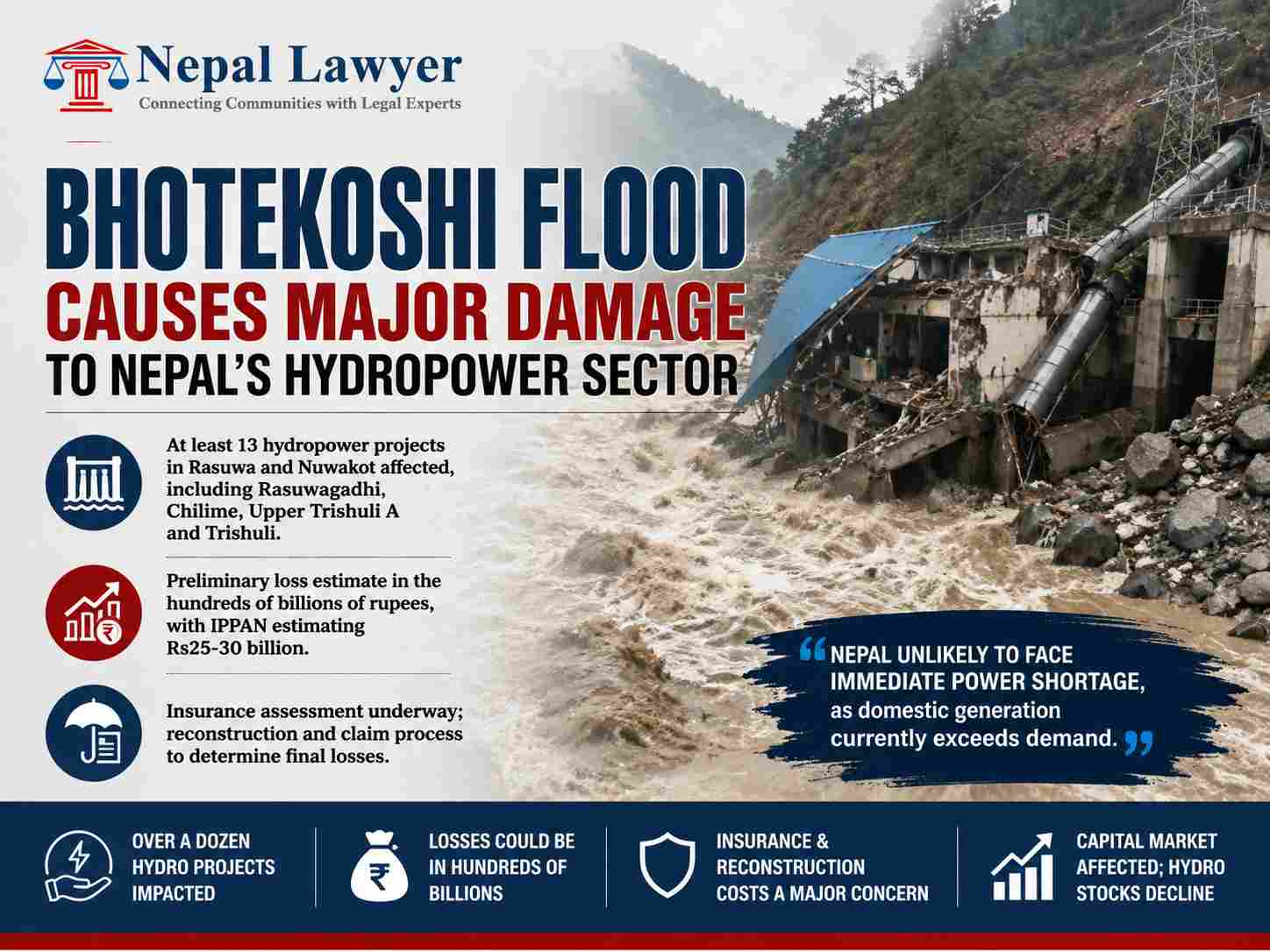
Kathmandu, Bhadra 14 - The Bhotekoshi floods have caused extensive damage to Nepal's hydropower sector, wreaking havoc on over a dozen hydro facilities in Rasuwa and Nuwakot, both in operation and under construction. Losses in hydropower projects and electricity transmission lines could be in the hundreds of billions of rupees, according to a preliminary estimate by Nepal Electricity Authority (NEA).
There have been at least 13 hydropower projects impacted. These are big projects like 111 MW Rasuwagadhi Hydropower Project, 22 MW Chilime, 60 MW Upper Trishuli A and 24 MW Trishuli, and some projects are also being constructed. The NEA says the Rasuwagadhi project has been swept away completely and the Chilime project has been covered with debris of the floods.
But the Independent Power Producers' Association, Nepal (IPPAN), has sought a lower provisional figure of Rs25-30 billion for the total losses. Industry representatives say, older projects with ground level powerhouses were hit especially hard, and newer projects with underground infrastructure were hit comparatively less. A complete assessment is still pending.
The extent of the destruction has also sparked concerns on insurance and reconstruction expenses. Private hydropower projects are normally insured and developers expect the insurance to help fund reconstruction. But some experts in the industry have cautioned that not all government-operated infrastructure might be fully covered by insurance. The Nepal Insurance Authority states that insurance claims will not be processed until licensed insurance surveyors have given their opinion on the extent of damage.
Nepal's capital market is also affected by the disaster. Life insurance stocks fell after the flooding, while hydropower stocks were among the few other groups that were taken down because investors were concerned about the risk of significant payouts from insurance and damage to power projects. Companies connected to construction materials saw gains as they looked forward to increased demand as part of the reconstruction.
Despite the extensive damage, industry representatives say Nepal is unlikely to face an immediate electricity shortage, as domestic electricity generation currently exceeds national demand. The real test will be assessing the extent of damage, determining insurance claims and reconstructing badly damaged projects and transmission.
Source: The Kathmandu Post