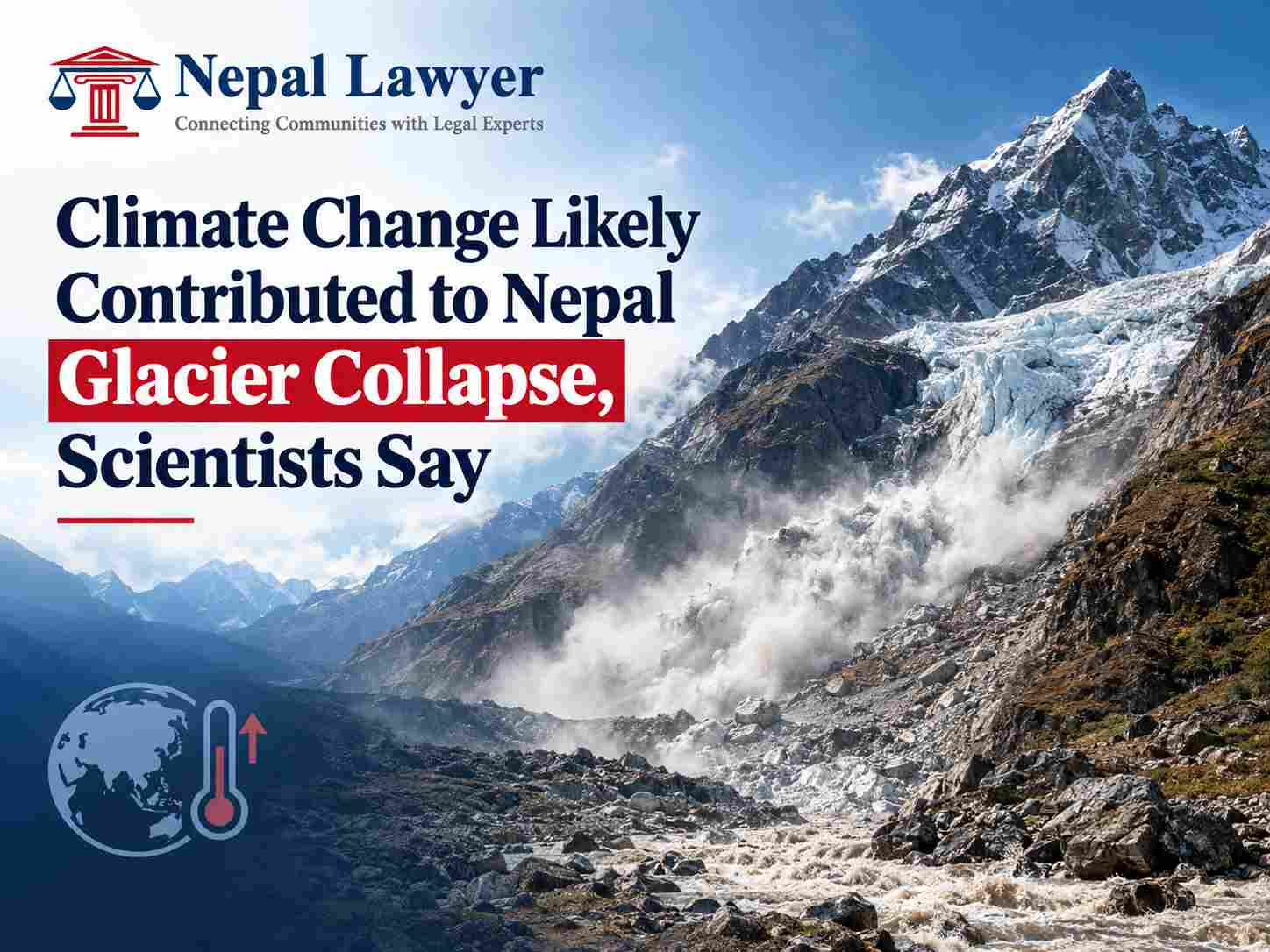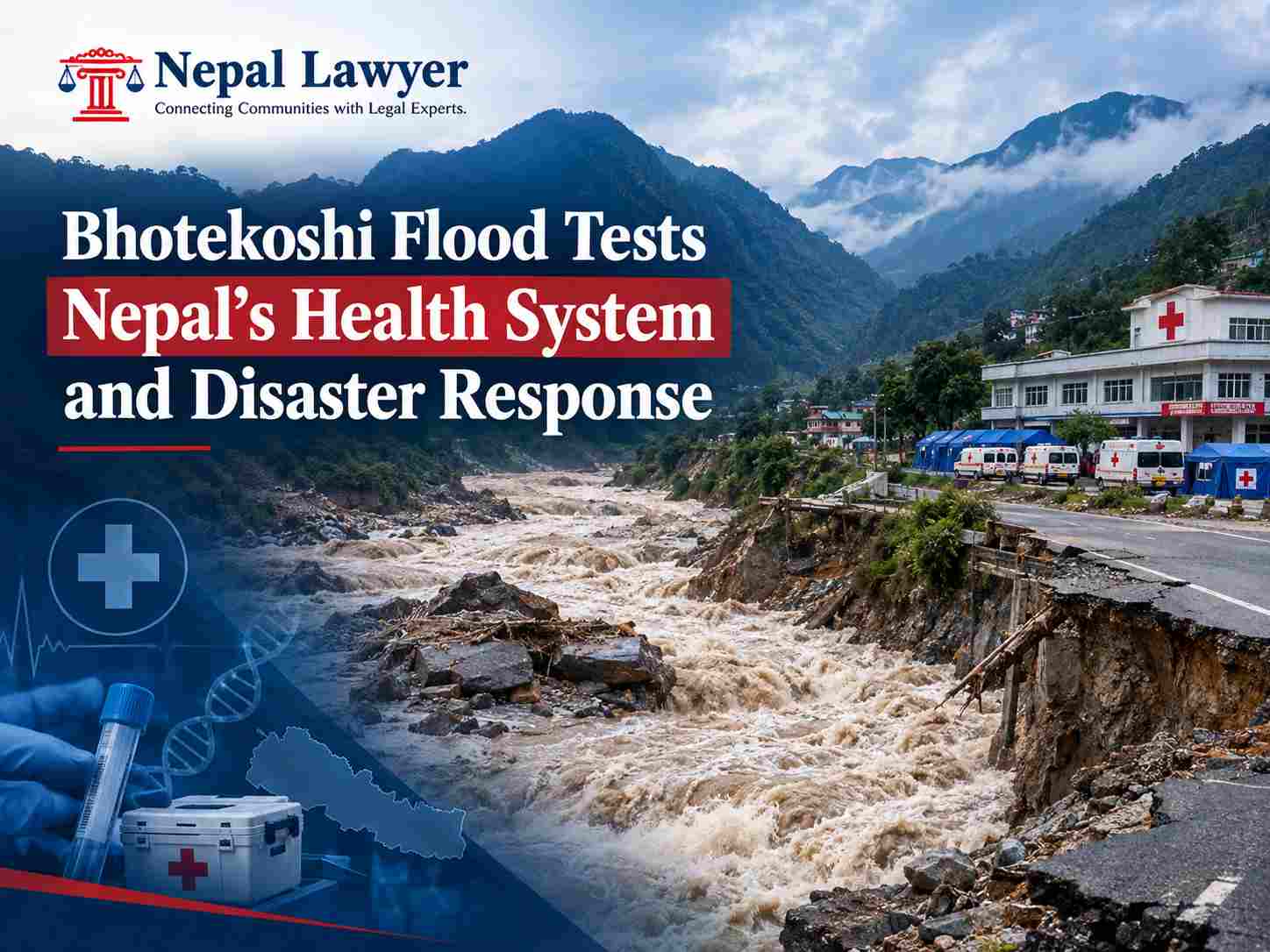
Kathmandu, Ashoj 6 - The recent Bhotekoshi flood tested not only Nepal’s rescue and disaster-response capacity but also the ability of the country’s health system to function during a large-scale emergency.
Nepal's emergency health response has improved in the event of the disaster, compared to previous emergencies. The Health Emergency Operations Centre was activated, hospitals remained open for referrals, emergency medical teams were deployed and the capacity of disease surveillance was increased with the expansion of mental-health services to affected communities.
Situation reports were also being provided regularly, to monitor evolving needs during the disaster. The response is a result of lessons learnt from the 2015 earthquake, when a stronger focus was placed on increasing investment in disaster preparedness and health sector coordination. The Bhotekoshi flood also created a challenge of the government agencies and security forces, hospitals, humanitarian organizations and emergency medical teams to coordinate under a clear and unified command structure.
The tragedy also revealed the challenges in victim identification and management. Many bodies were recovered after the bodies had been exposed to flood water for a long time, or far downstream, making visual identification difficult. Forensic documentation, biological samples and DNA testing became more instrumental to authorities. The increased time required for the recovery of bodies posed another problem like, the lack of space and refrigeration for storing bodies.
Medical logistics and information sharing are also issues of concern. In a disaster, real-time information on medicine supplies, hospital capacity, emergency medical teams and any potential disease outbreak is needed. Information was gathered during the response to Bhotekoshi but a more integrated digital system is needed to link hospitals, laboratories, emergency teams, local governments and humanitarian organizations.
The effects and impacts of the Bhotekoshi floods are also likely to affect the health of people beyond the rescue phase. Those communities impacted can risk displacement, mental health issues, disruption of treatment for chronic illnesses and damaged health care facilities. The recovery period can leave children and older people, women and marginalized communities especially vulnerable.
The Bhotekoshi disaster demonstrated the improvement in Nepal's disaster health system, but also identified the need for continued investment in disaster coordination, forensic services, mortuary facilities, medical logistics and the sharing of information in real time in the aftermath of disaster and in terms of long-term rehabilitation. As climate-related disasters become more complex, the flood also underscores the need for Nepal to strengthen its health emergency preparedness and disaster response systems rather than simply rebuilding damaged infrastructure.
Source: The Kathmandu Post