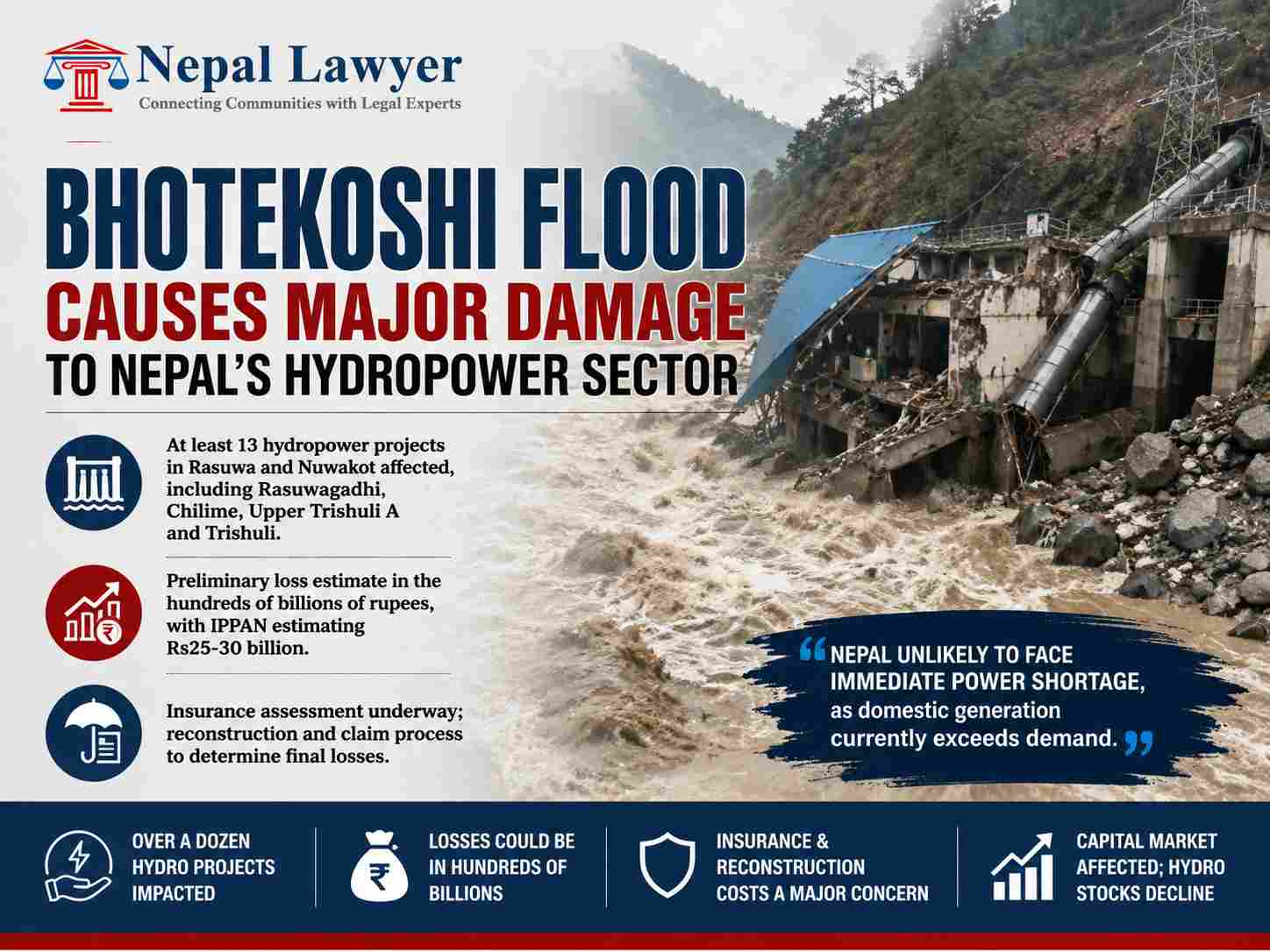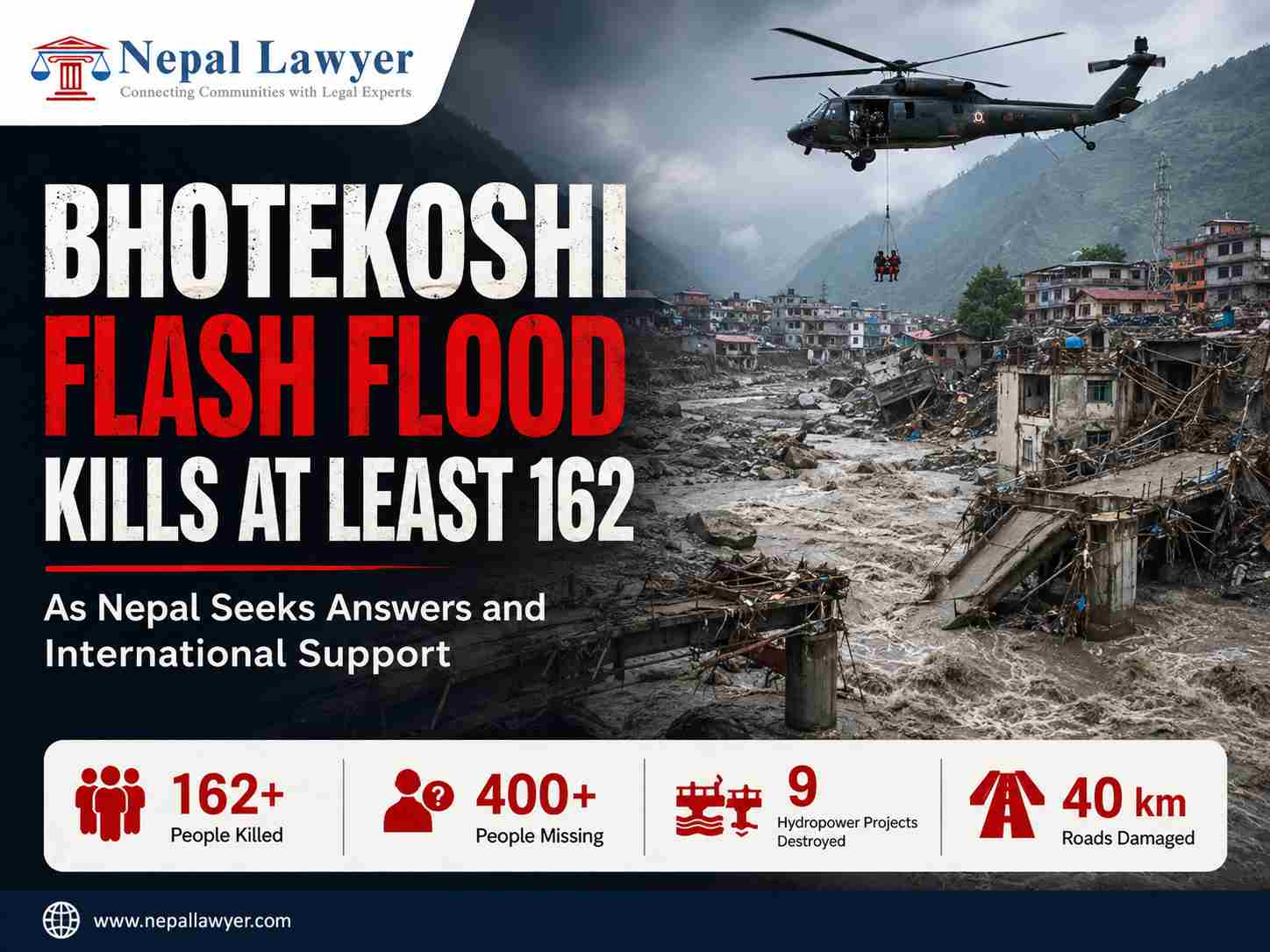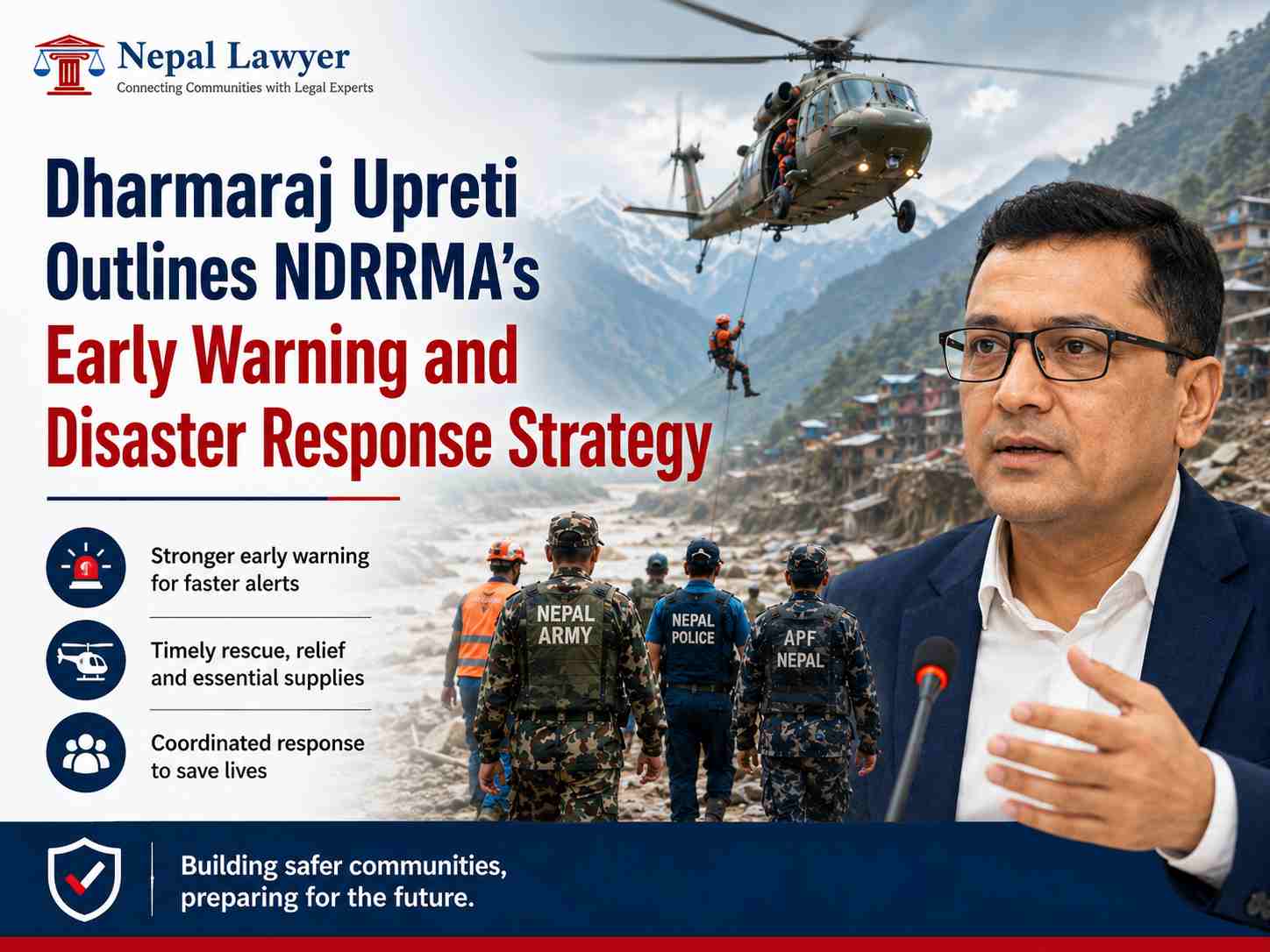
The National Disaster Risk Reduction and Management Authority (NDRRMA) has intensified search, rescue and relief operations following the devastating Bhotekoshi flood in Nepal, with affected communities in Rasuwa, Nuwakot, Gorkha and Chitwan remaining the central focus. NDRRMA Chief Executive Dharmaraj Upreti said difficult road access has made helicopter-based evacuation and supply delivery essential, with the Nepali Army, Nepal Police, Armed Police Force and private operators working through an integrated response system. Authorities have prioritized the evacuation of stranded residents, delivery of ready-to-eat food, medicines and oxygen cylinders, and the restoration of electricity and telecommunications in severely impacted areas.
To improve coordination, the authority has mobilized 12 operational teams under a central command structure and adopted a single-door relief distribution mechanism. Aid materials are being managed through designated hubs in Kathmandu, Tribhuvan International Airport and Nuwakot before being transported to remote locations, particularly in Rasuwa, where access remains limited. Alongside survivor rescue, health teams and security personnel are working on the recovery, identification and safe management of deceased persons, while medical camps are being deployed to reduce potential public-health risks in affected settlements.
Upreti said strengthening the Nepal-China transboundary early warning system will be vital as authorities assess the disaster and prepare for possible secondary flooding. According to the NDRRMA, SMS alerts and notifications to district authorities were issued shortly after floodwaters entered Nepal, although the destruction of monitoring infrastructure and disruption to local communications limited response time in some upstream areas. The government is also preparing detailed post-disaster assessments to guide relocation and reconstruction, with officials indicating that settlements located in highly vulnerable zones will be reviewed through geological studies before any rebuilding decisions are made.
Source: kathmandupost