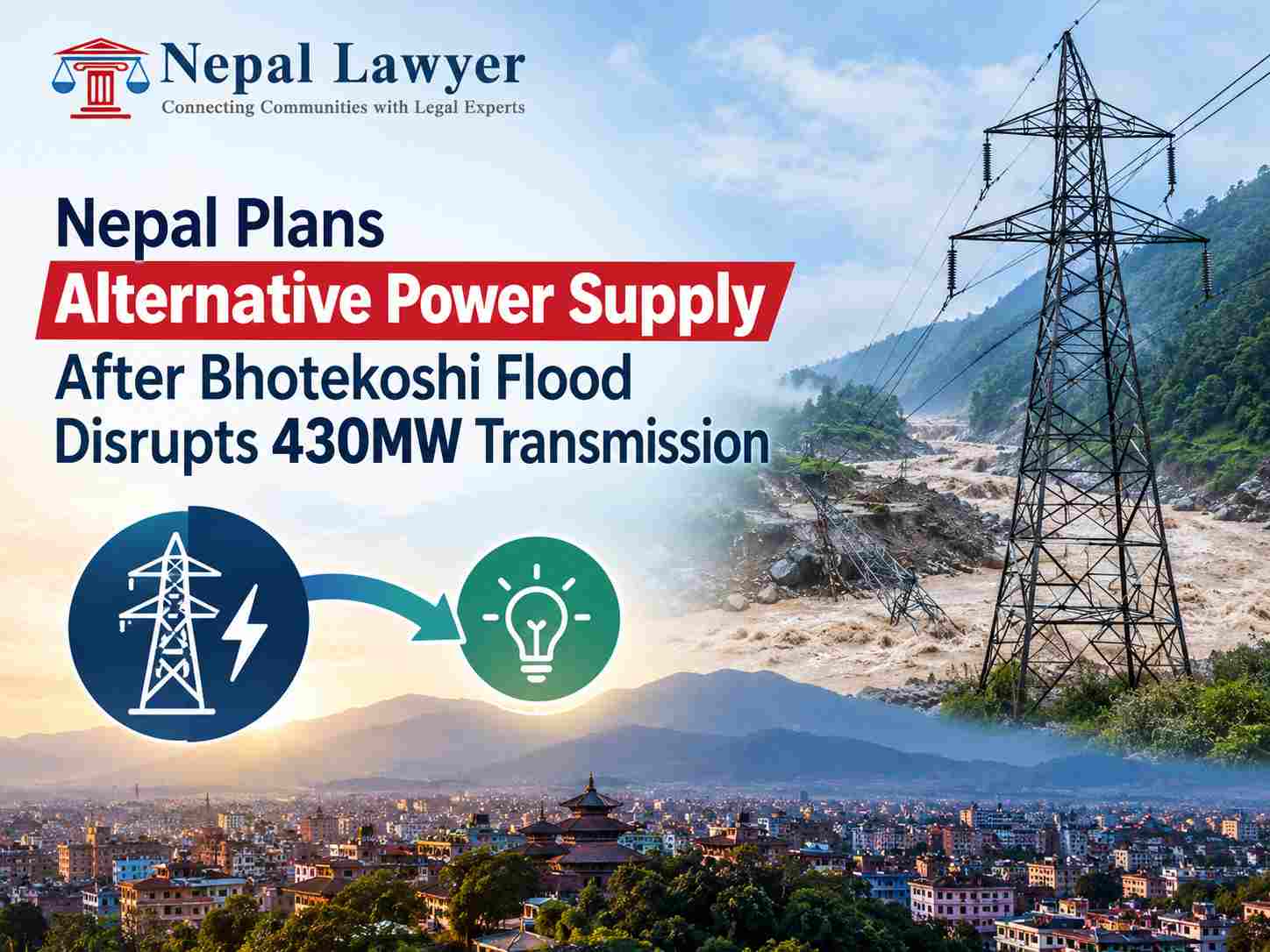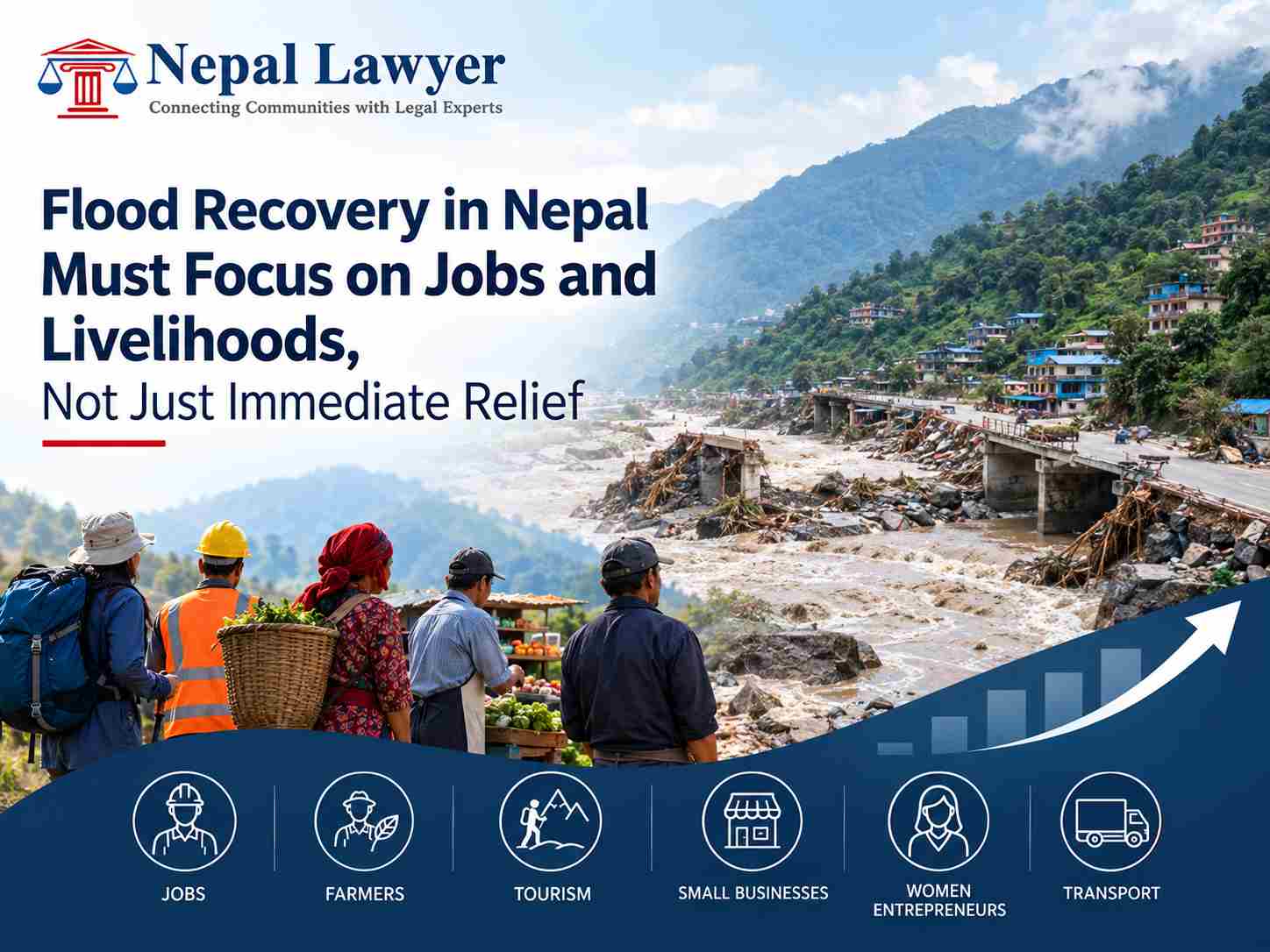
Kathmandu, Ashoj 19 - The recent Bhotekoshi flash floods in Nepal have caused widespread damage to homes, roads, bridges and critical infrastructure while also disrupting employment and livelihoods across affected communities. As reconstruction begins, experts say flood recovery in Nepal must focus not only on rebuilding physical infrastructure but also on restoring jobs, income and local economic activity.
According to a preliminary assessment by the International Labor Organization (ILO), around 21,400 people living within four kilometers of the flood-affected Bhotekoshi - Trishuli corridor have experienced disruption. Damage to homes, workplaces, roads, bridges and energy infrastructure has made it more difficult for people to travel to work, access markets and reach essential services.
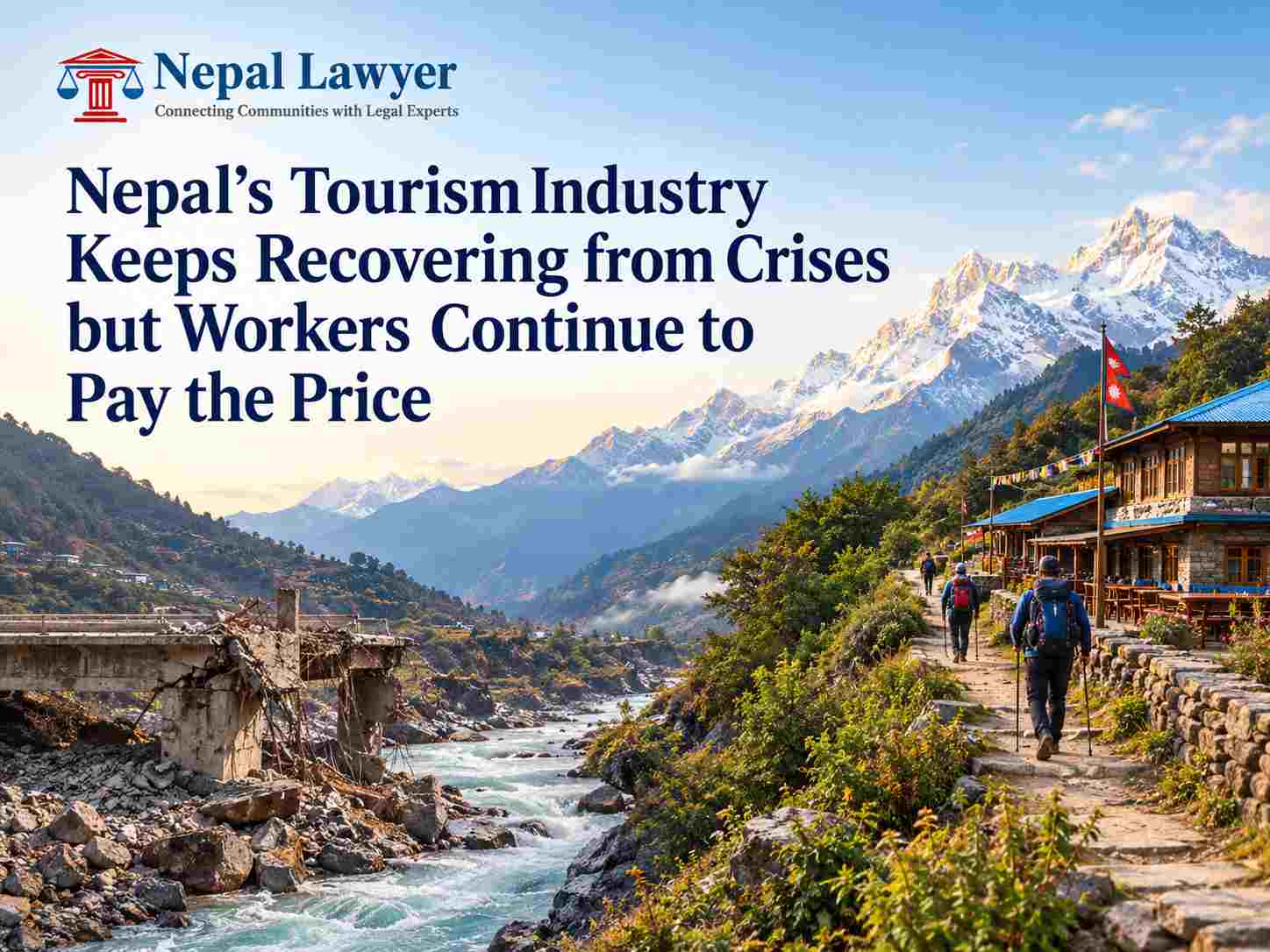
The economic impact has been particularly serious for vulnerable workers, including daily-wage earners, informal workers, agricultural workers, transport operators and owners of small and home-based businesses. Tourism workers and businesses have also suffered losses, with guides, porters, hotels and local enterprises along routes such as Langtang and Gosaikunda facing reduced income following the disaster.
Women entrepreneurs have faced additional challenges, including damage to businesses and loss of income, while also taking on greater unpaid care responsibilities after the floods. The government has announced measures for affected businesses, including tax and customs concessions, loan restructuring and access to lower-cost credit. However, ensuring these programs reach informal workers, small businesses and unregistered enterprises remains a major challenge.
The recovery effort should therefore make livelihood restoration a core part of post-flood reconstruction in Nepal. Rebuilding roads and bridges is essential not only for transportation but also for reconnecting workers with jobs, farmers with markets and businesses with customers. Employment-intensive reconstruction, job-matching programs, priority opportunities for local and displaced workers, stronger workplace safety, social protection and skills development could help affected communities recover faster.
The broader lesson is that disaster recovery in Nepal must go beyond immediate relief and infrastructure rebuilding. For communities dependent on tourism, transport, hydropower, agriculture, cross-border trade and small businesses, restoring employment and household income will be critical to achieving a sustainable economic recovery after the Bhotekoshi floods.
Source: The Kathmandu Post