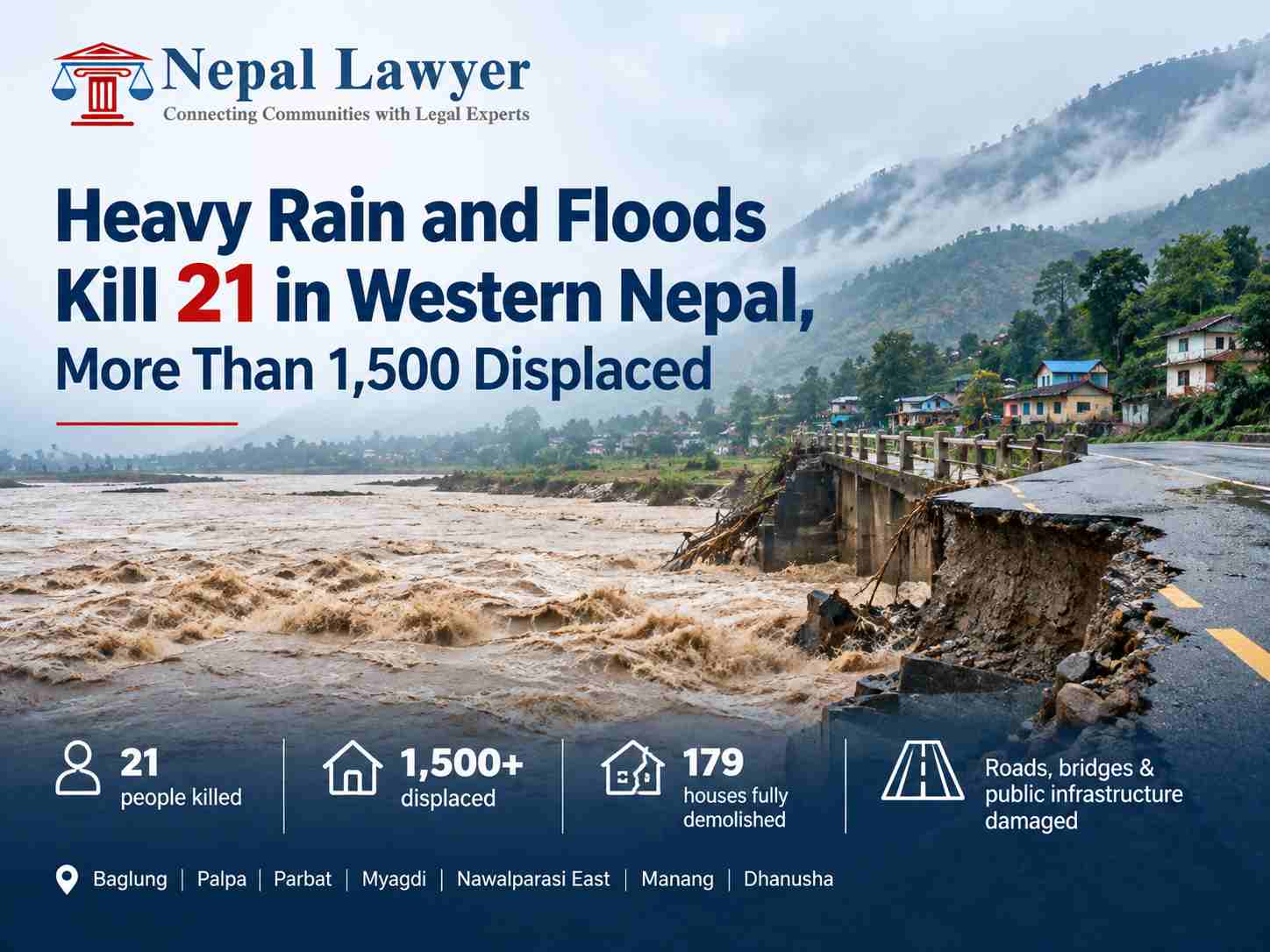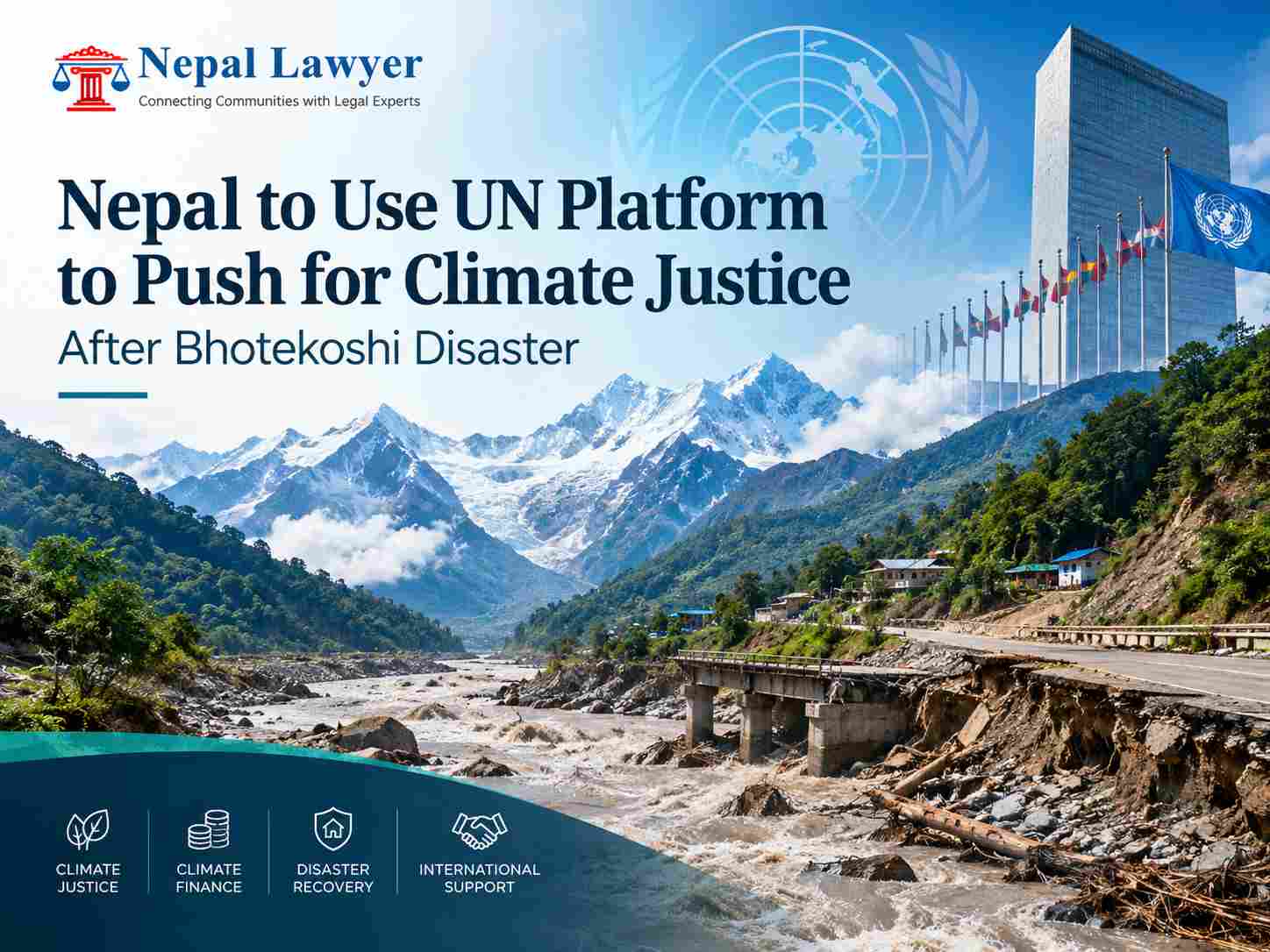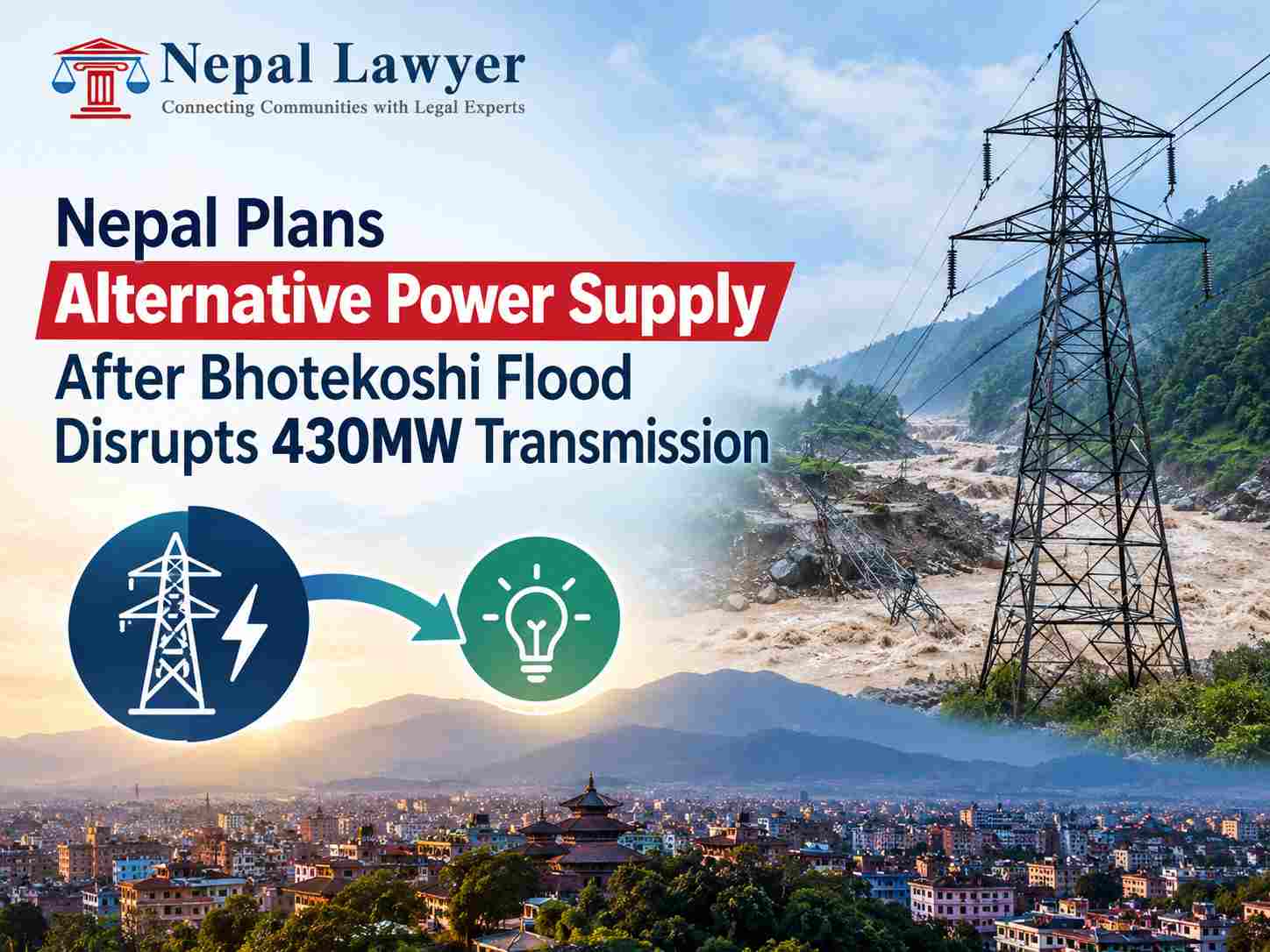
Nepal's government is preparing alternative electricity supply arrangements following the Bhotekoshi flood, which disrupted vital transmission facilities and cut around 430 megawatts (MW) of electricity from the national transmission system.
The flood damaged transmission equipment along the Trishuli corridor, disrupting power delivery to Balaju and Chapali in Kathmandu. The breakdown has put additional strain on other transmission lines that feed electricity to the capital, raising concerns about maintaining a consistent power supply over the forthcoming winter season.
According to the Ministry of Energy, Water Resources, and Irrigation, the Nepal Electricity Authority (NEA) is considering alternate arrangements and forming a taskforce to control electricity demand. As winter electricity use rises, the taskforce is likely to prioritize balancing power demand and relieving pressure on current transmission infrastructure.
As part of the contingency plan, the ministry spoke with the Department of Roads and the Kathmandu Metropolitan City (KMC) about increasing underground electrical transmission infrastructure. The NEA has recommended adding extra underground transmission lines as a short-term fix to increase the reliability of Kathmandu's energy delivery system.
Officials from the Department of Roads and KMC have stated that they will support the effort, including allowing the installation of underground cables along walkways if needed. Munindra Thakur, chief of the Bagmati Distribution and Customer Service Directorate, also discussed preparations for managing Kathmandu's increased electrical demand throughout the winter.
Anshu Kiran Shahi, a member of the NEA Board of Directors, underlined the importance of improved collaboration among government agencies in maintaining a stable electricity supply and improving power-demand management throughout the Kathmandu Valley. The planned alternate supply measures aim to mitigate the impact of the Bhotekoshi flood on energy transmission and prevent supply disruptions during the winter months.
Source: The Himalayan Times