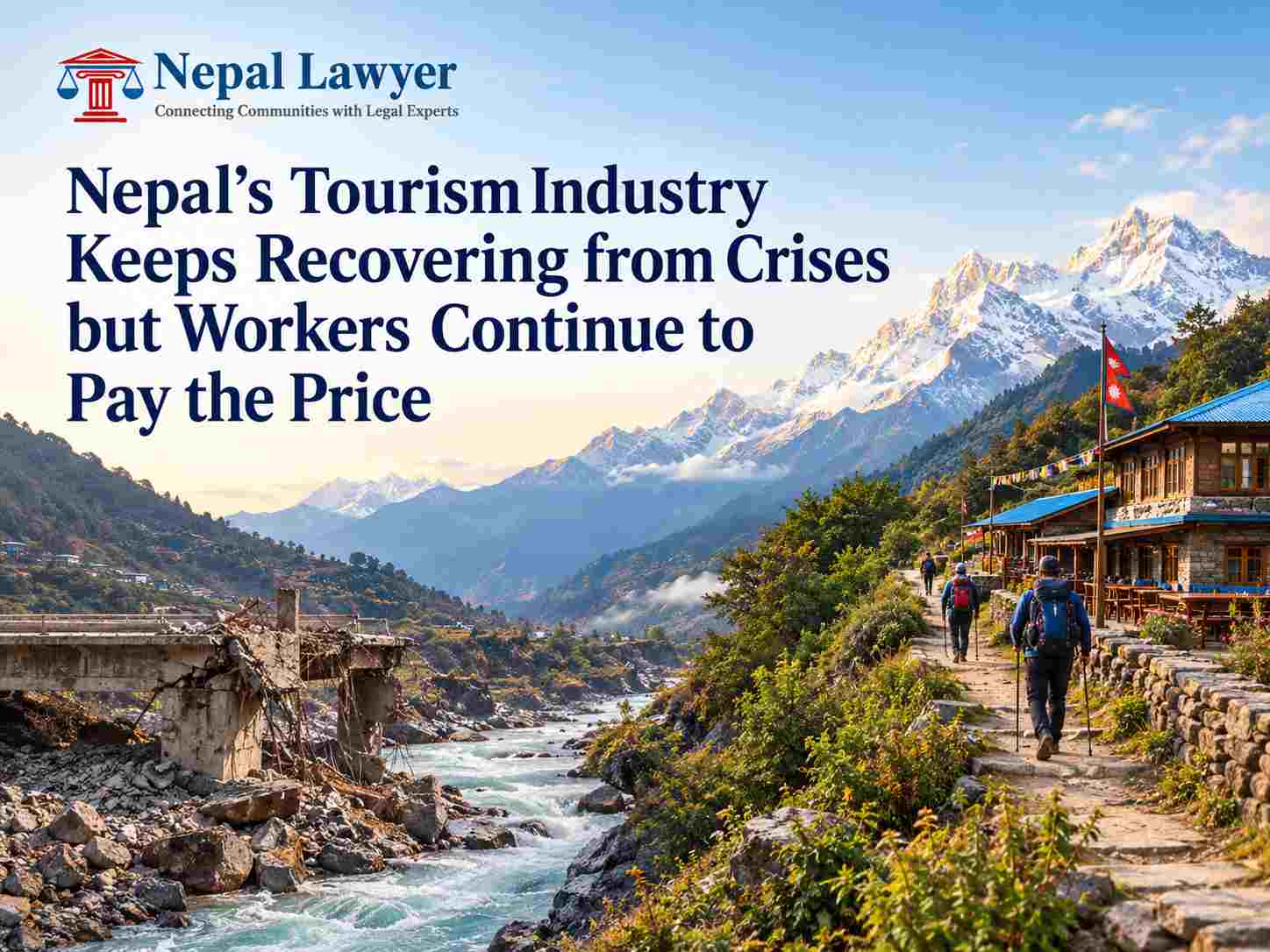
Kathmandu, Ashoj 11 - The Nepal Tourism Industry has successfully bounced back from numerous earthquakes, political unrest, Covid-19 and natural disaster situations. However, the most recent interruption in this regard due to Bhotekoshi Earthquake on August 26 has again left Nepal wondering whether repeated recovery is sufficient to make the country's tourism sector resilient.
The disaster came at a critical time in Nepal's autumn tourism season. There were photographs of roads, bridges and settlements destroyed that spread rapidly worldwide, leading to cancellations even beyond immediate area of impact. Some trekking guides reported that they became unassigned when visitors delayed or canceled trekking trips. The numbers of tourists have begun to rise in October in Nepal, but the loss of jobs has already had an impact on the country's seasonal tourism-dependent population.
Nepal’s tourism sector has previously endured the 2015 earthquake, the near-collapse of international travel during Covid-19, repeated floods and landslides, aviation disruptions and political unrest. In 2025, international tourist numbers surpassed one million again, showcasing the fast recovery of tourist demand following a significant crisis. But the increase of tourists does not mean that all those who have a stake in the tourism industry are okay. There are many more trekking guides, porters, transport operators, hotels, restaurants, airlines and small tourism businesses that are dependent on tourism.
The National Statistics Office (Nepal) counted over 142,000 accommodation and food-service units employing or engaging nearly 388,000 people and producing about Rs326 billion worth of service output. A significant number of these companies rely on a limited number of peak tourism months. However, even a few days of closures can cost a lot of a tourist's income and a small business a lot of their income if the disaster happens just before the fall or spring season. The bigger one is not just to get the tourists to come back following each crisis. Nepal must become more resilient as far as tourism is concerned before next disruption.
It means increased early-warning systems, more secure and dependable transport infrastructure, improved communication with international visitors, more effective crisis planning for the tourism industry and more diversification away from limited destinations and peak tourism seasons. More attention is required for the tourist industry workers whose income may vanish in an instant when they have to cancel the bookings.
Nepal has proven to be a highly resilient nation in the face of repeated reconstruction efforts, showcasing its true resilience. However, if guides are needed to travel outside the country for work, the small business is left reeling from each ravaged season, and investors constantly take a hit when the economy goes sour. The long-term goal should be a resilient tourism industry in Nepal that can withstand crises without forcing the people who depend on it to start over each time.
Source: The Kathmandu Post