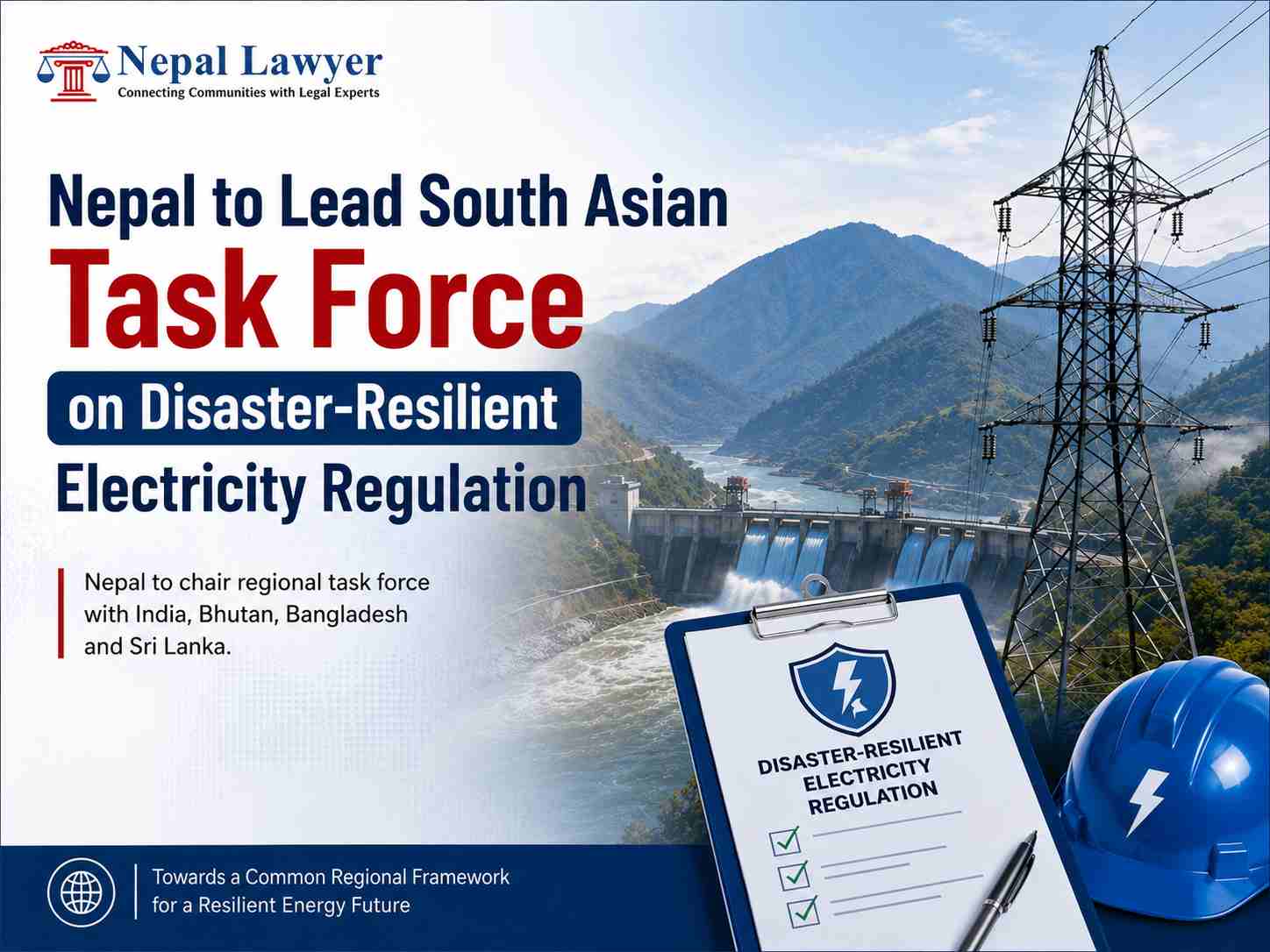
Kathmandu, Bhadra 18 - Countries are looking to establish more resilient mechanisms to safeguard electricity generation, transmission systems, and cross-border electricity supply and demand in South Asia, while Nepal is set to lead a regional South Asian electricity regulation task force to on disaster resilient electricity regulation. The task force to be headed by Electricity Regulatory Commission (ERC) of Nepal and will have members from the India, Bhutan, Bangladesh and Sri Lanka electricity regulators.
The meeting of the executive committee of South Asian Forum for Infrastructure Regulation (SAFIR) and the board of directors was held in Manesar, Haryana, India. The regional technical group will undertake studies and research for the development of regulatory solutions that can help electrify South Asia more resilient to disasters as it becomes more interconnected.
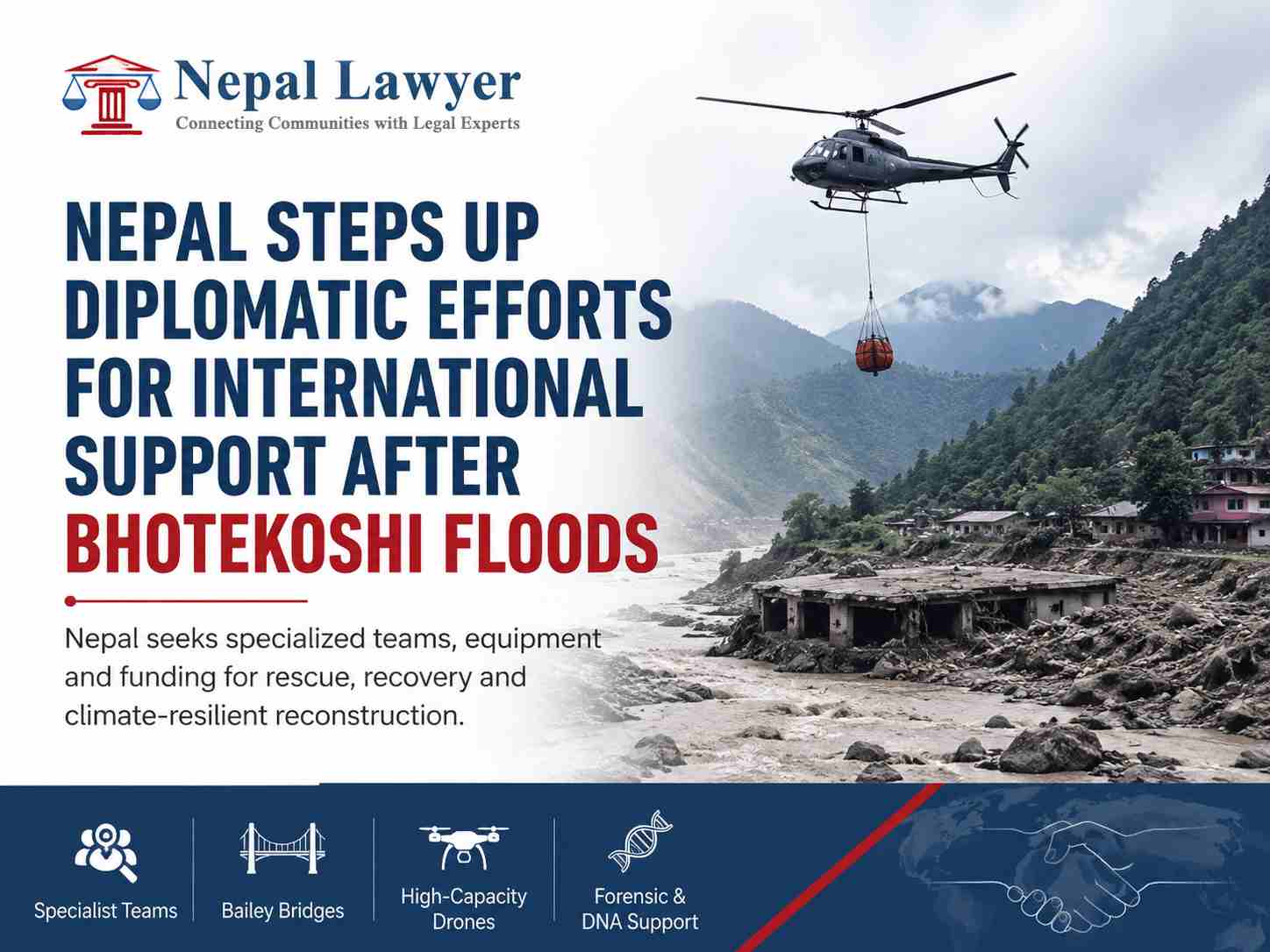
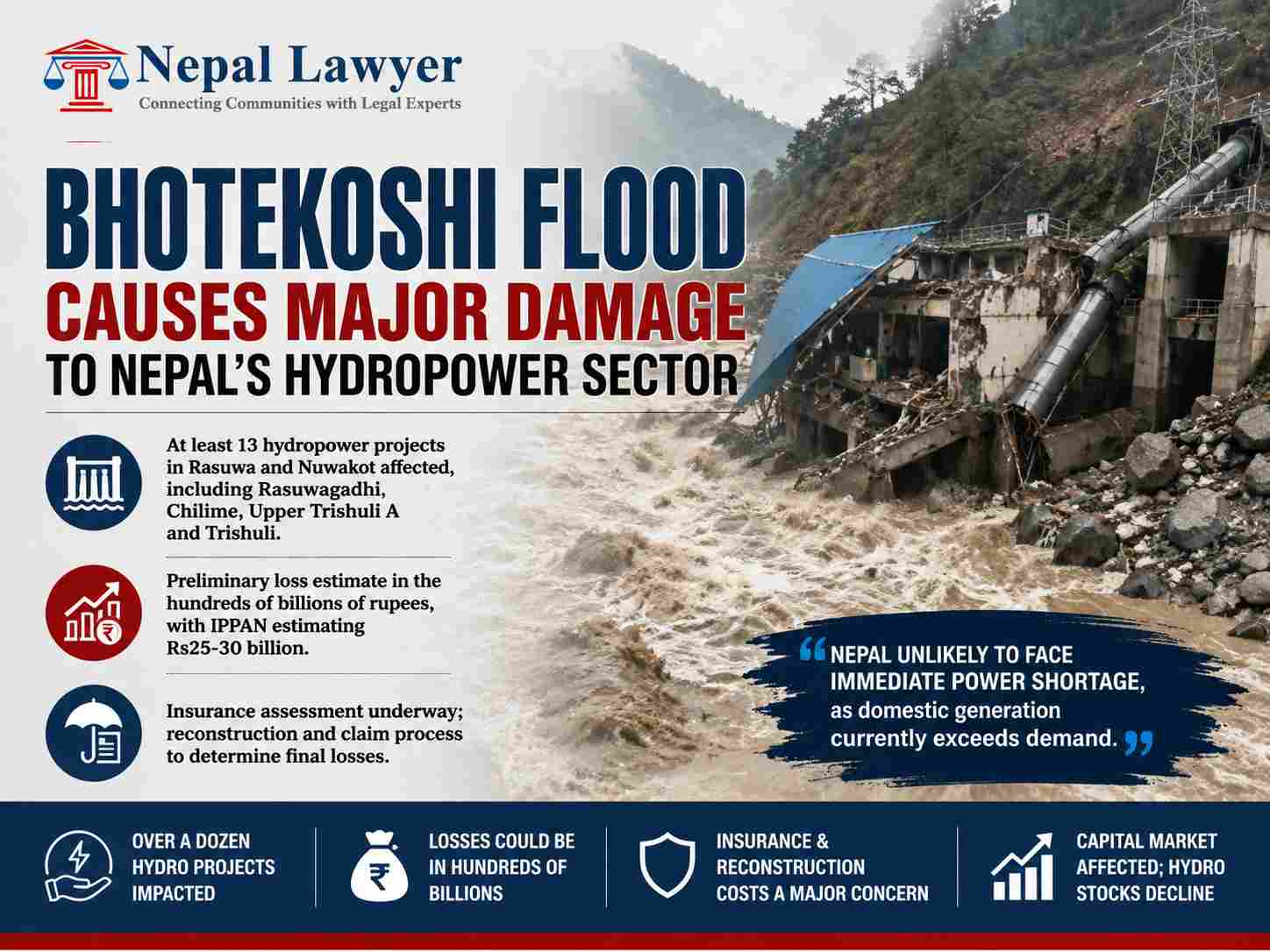
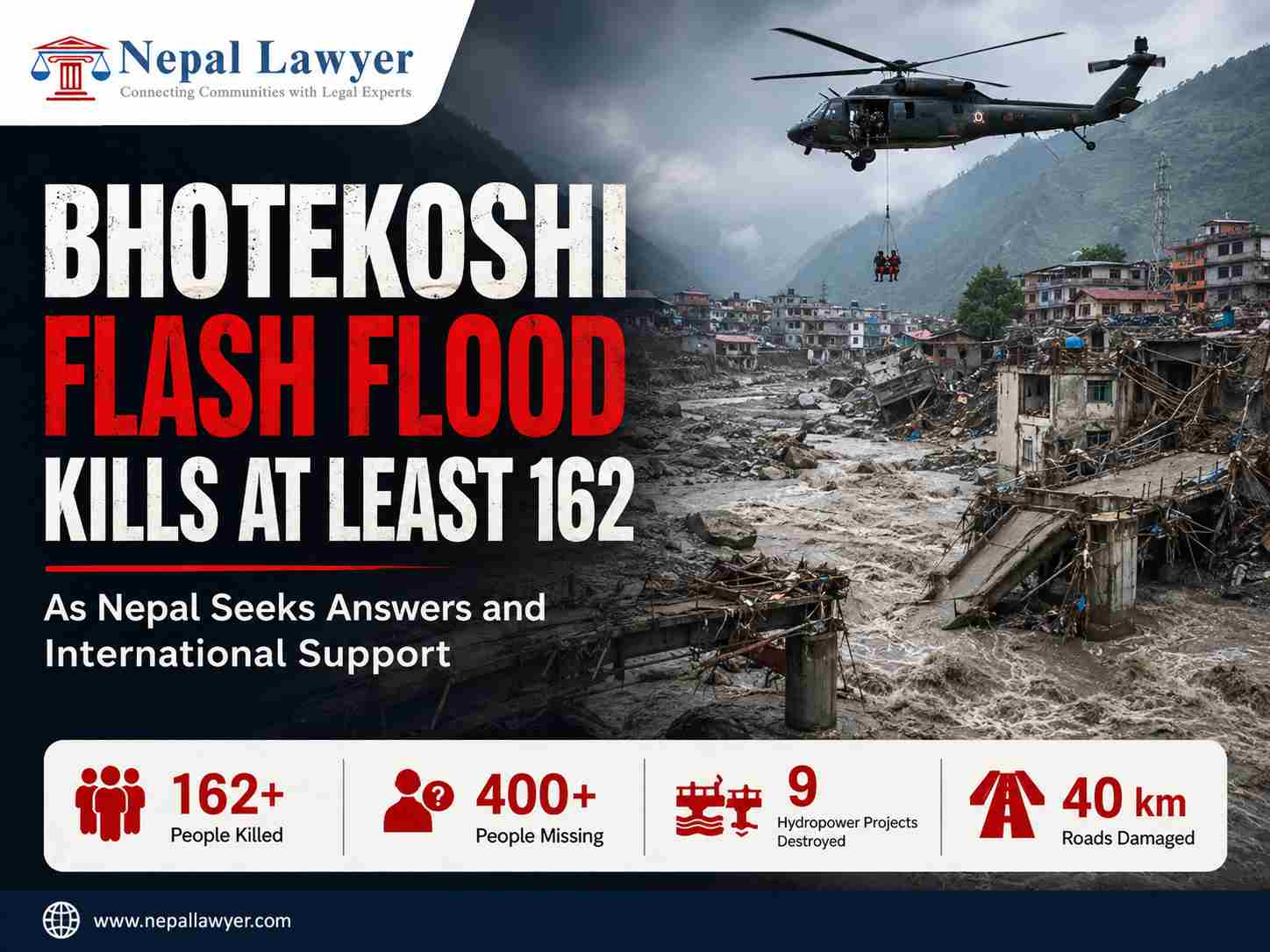
This initiative has become especially relevant given the devastating impact of the Bhotekoshi flood on hydropower projects, transmission lines and other power grid assets in Nepal. It showed that damage caused to a river basin or a power project can also have far-reaching effects on the generation and supply of electricity, on the stability of the transmission system, on the finances of the projects, and on cross-border electricity flows.
According to ERC reports, the task force will examine regulatory frameworks for natural disasters and how electricity trade can be shared and electricity services maintained across borders in an emergency. As countries in the South Asia region start trading power on a regional scale and electricity networks are becoming more integrated, these concerns have grown in significance.
The study is expected to contribute towards the development of a common regional regulatory framework for managing disaster risks in the electricity sector. This framework could facilitate a more effective procedure for responding to natural disasters that affect generation, transmission or electricity trading at the national border between regulatory jurisdictions.
With the vulnerability of the hydropower infrastructure in Nepal, where the country is currently facing, to the flood and other climate-related disasters, the initiative led by Nepal is very timely. The ERC has emphasized that these risks are not limited to individual projects or companies, but are a growing issue of concern. Hydro-power is becoming more and more interdependent with the transmission systems and the cross-border electricity markets, and so is the issue of disaster preparedness in terms of regulation and regional cooperation.
Source: Online Khabar