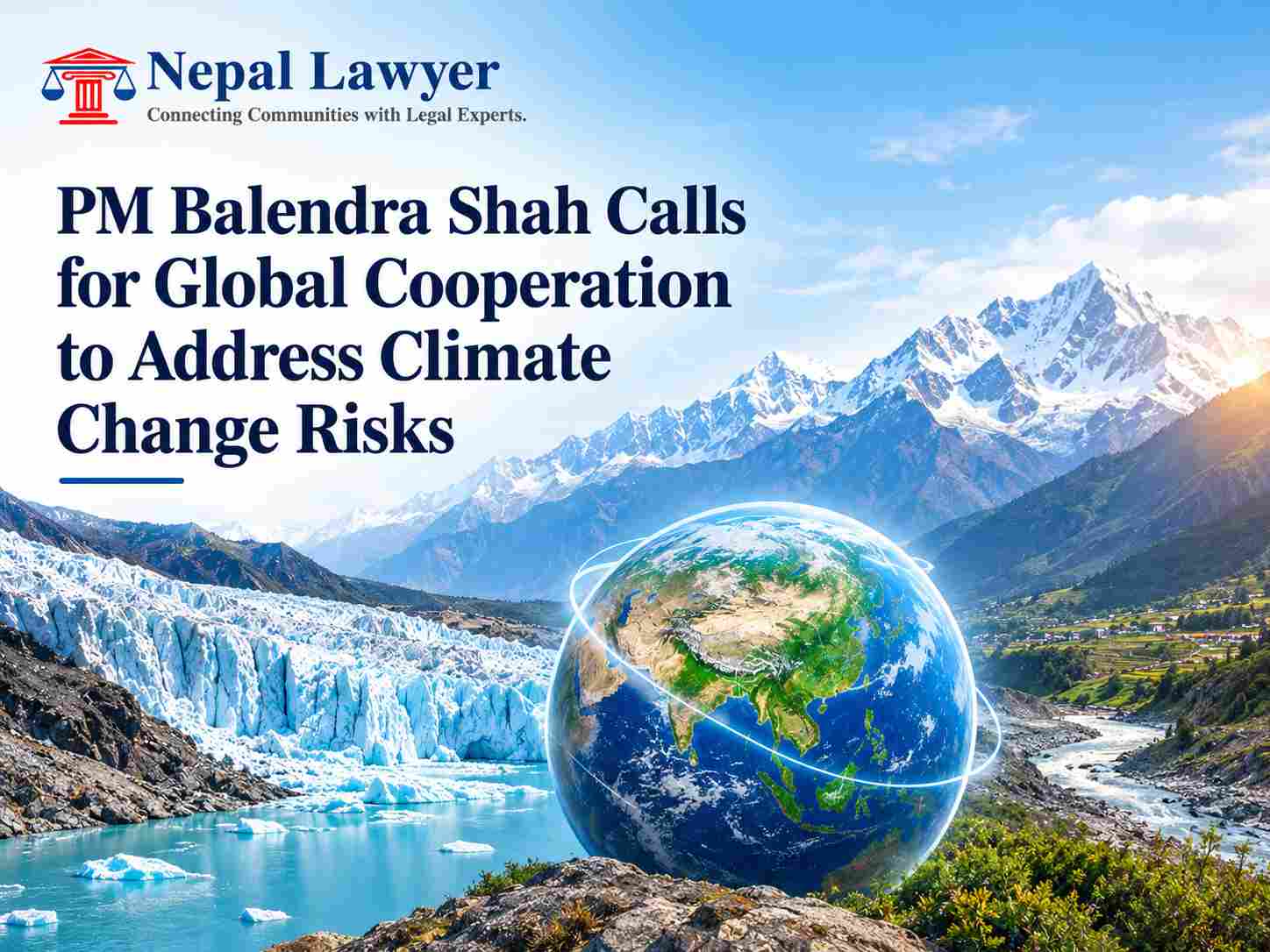
Kathmandu, Ashoj 8 - Prime Minister Balendra Shah is set to use Nepal’s address to the United Nations General Assembly to call for greater international support for countries facing severe climate-related losses despite contributing relatively little to global emissions.
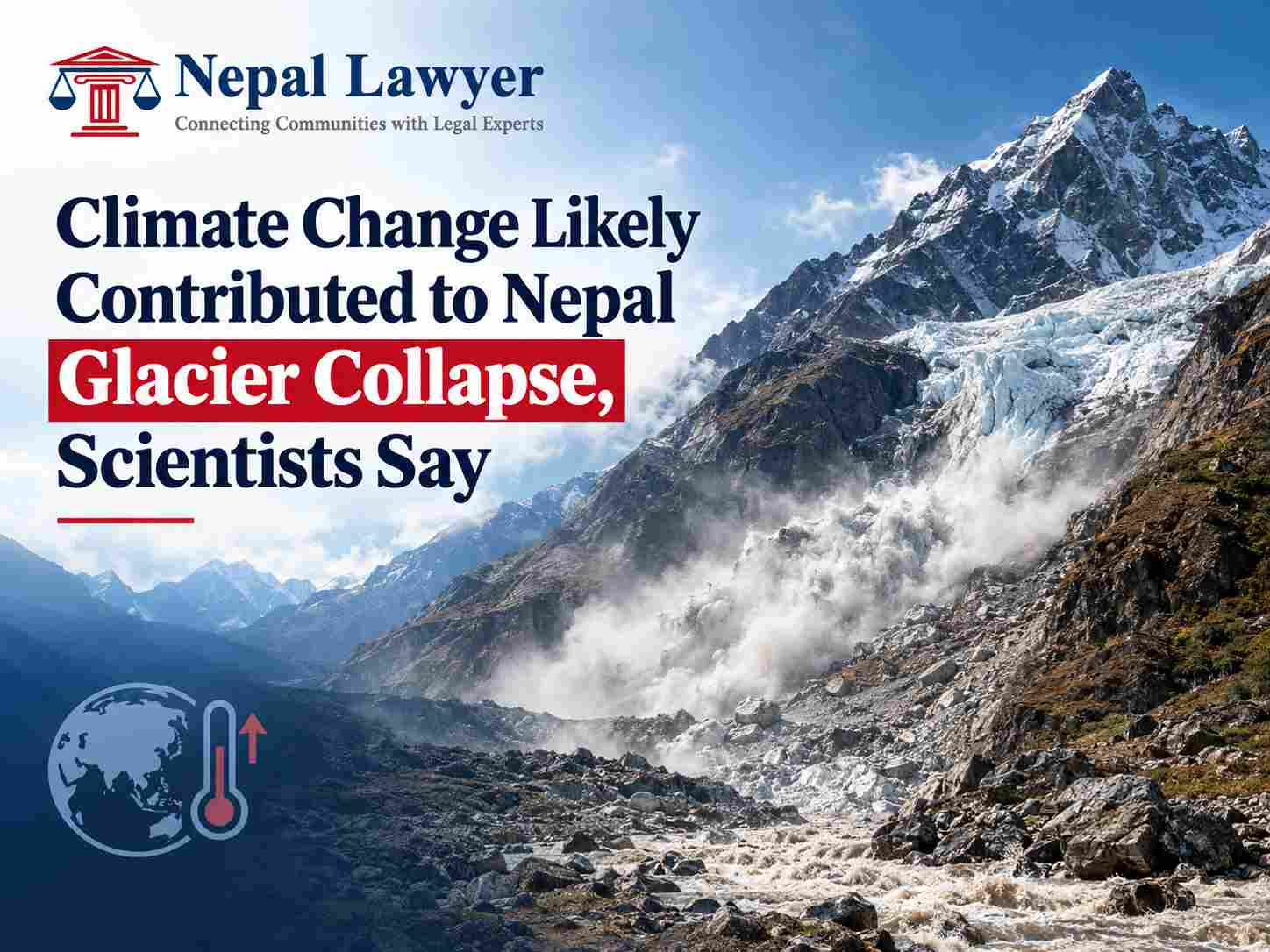
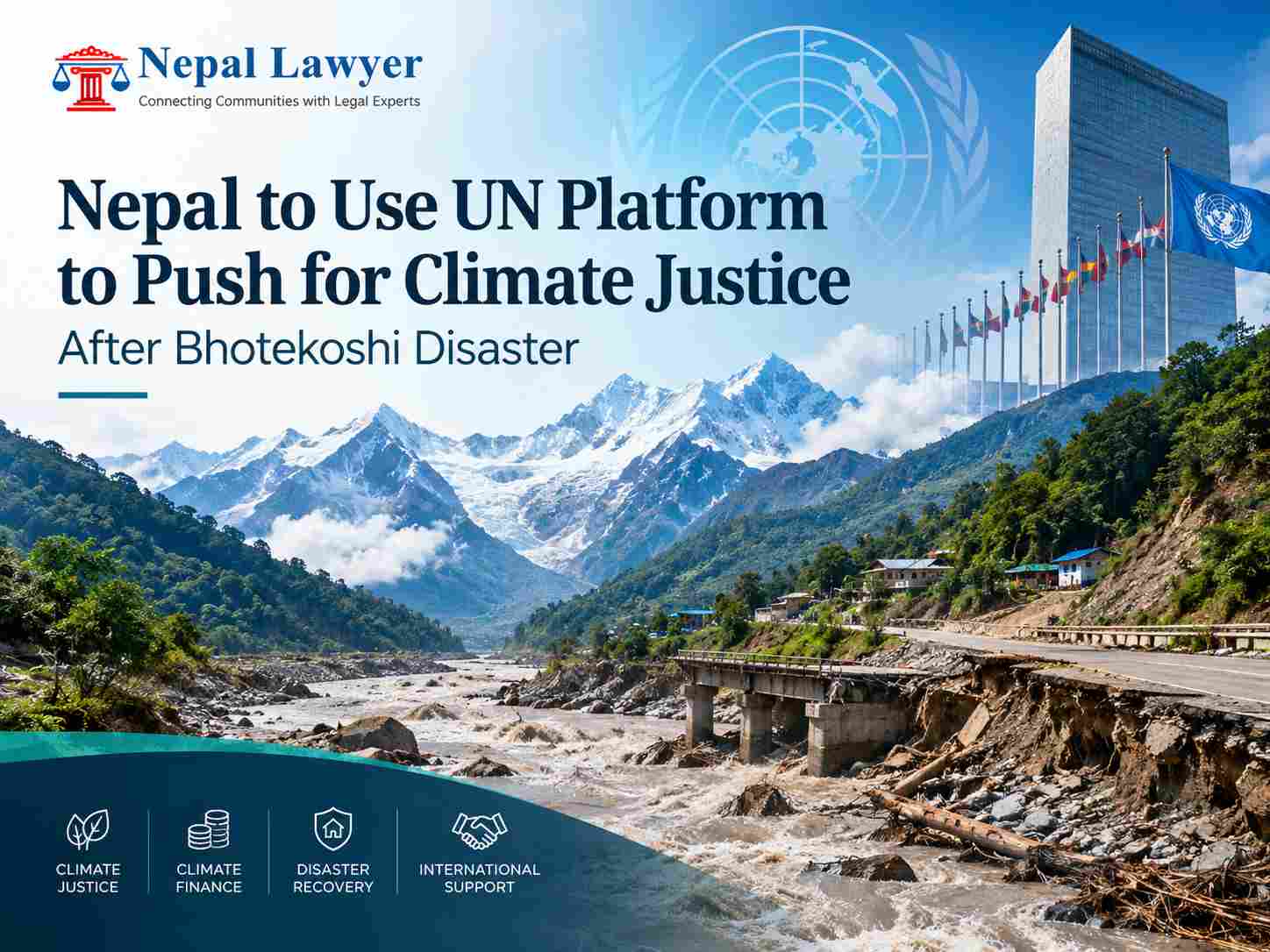
Shah is to speak at the UN General Assembly in New York on 24th September. His speech is likely to be very much on the Bhotekoshi disaster which occurred on August 26, leading to heavy human and material losses. As of the time of the report, there were at least 1,436 deaths confirmed and 5,644 people still missing. Nepal will take the opportunity of the crisis to improve its overall advocacy campaign for climate justice, climate finance and loss-and-damage support.
The government views countries like Nepal, which have relatively small shares of global greenhouse-gas emissions, as being affected more and more by the economic and human impacts of climate-related disasters. The appeal will not only be for immediate aid but also in the broader context of humanitarian missions. Nepal will also solicit international assistance for the reconstruction of the country on the long-term, development of climate resilient infrastructure, preparedness and response for disaster, and strengthening institutional capacity for climate-friendly agriculture.
The focus is also expected to be on increasing access to concessional climate finance. Technology transfer is another crucial aspect of Nepal’s message. The government is seeking more cooperation from other international communities in the development of early-warning systems, scientific research and other technologies to identify and mitigate hazards in the Himalayan region. The Bhotekoshi disaster has already garnered attention at the UN level.
Secretary-General António Guterres and the president of the General Assembly have mentioned Nepal's floods in their meetings, and Shah is also expected to meet Guterres on his own during his visit to New York. Nepal will also emphasize the special risks that face mountain countries, where the melting glaciers and fragile slopes, altered precipitation and other climate change vulnerabilities can impact communities beyond the disaster area.
On 25 September, Nepal will also take the issue forward in a side event, ‘Sagarmatha to Sea: A Call to Action for a Climate Resilient Future' in the margins of the General Assembly. The Bhotekoshi disaster has thus turned into a challenge for national reconstruction, and more. Nepal is trying to leverage it in a wider global context and claims that developing and vulnerable countries should receive more access to climate finance, technology and long-term support prior and after climate-related hazards.
Source: The Kathmandu Post