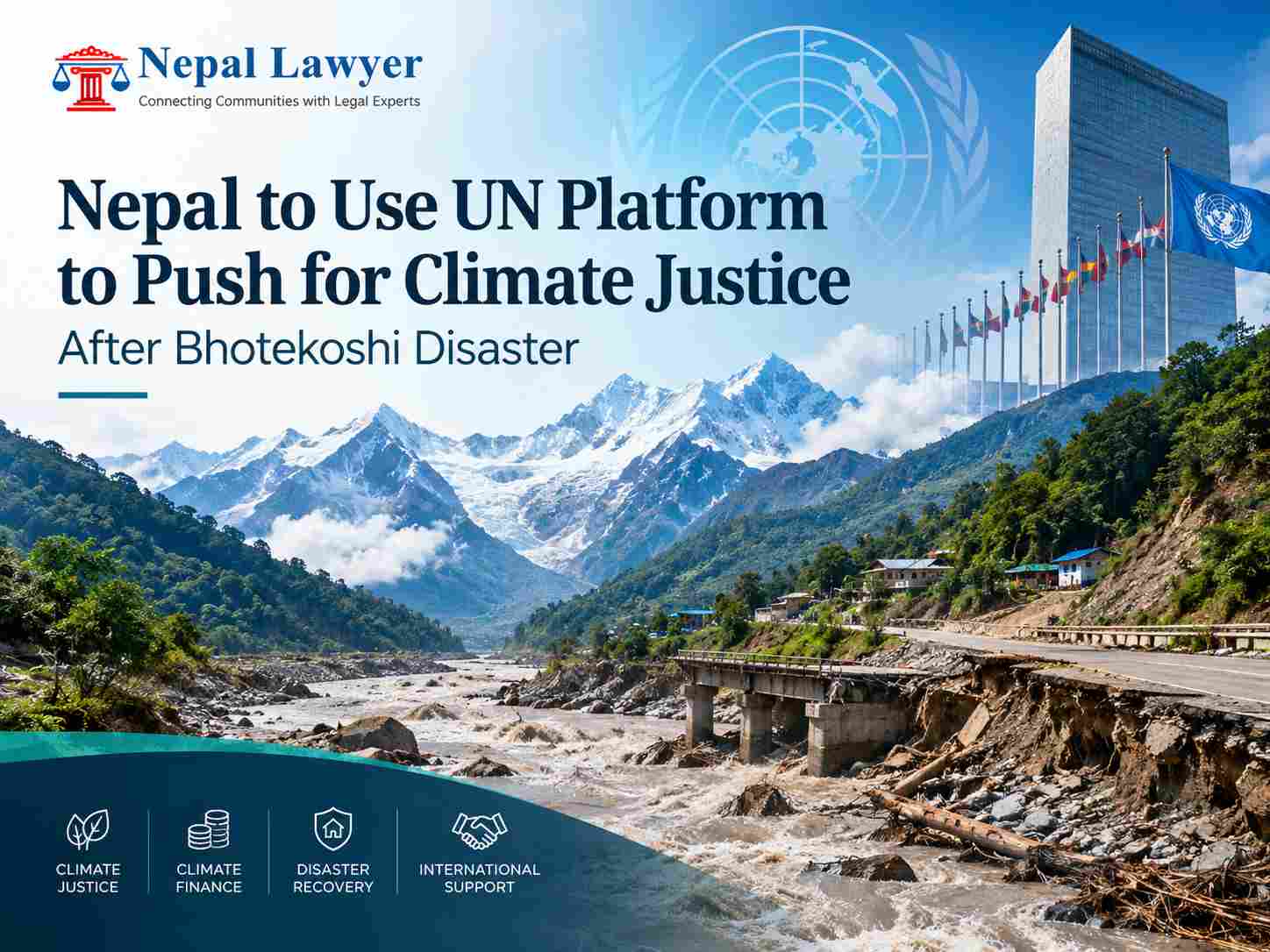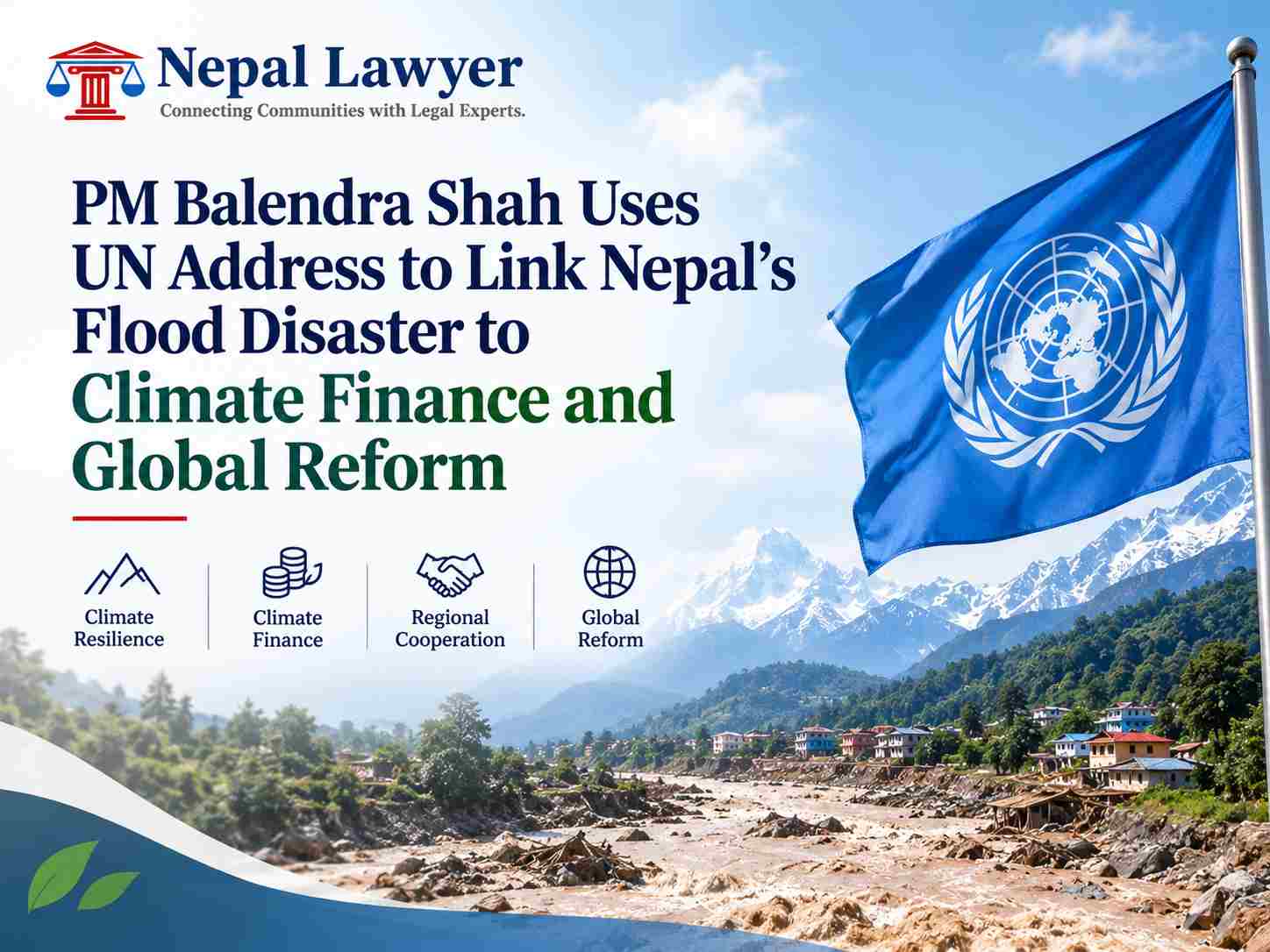
Kathmandu, Ashoj 9 - Prime Minister Balendra Shah used Nepal’s address to the 81st United Nations General Assembly to present the Bhotekoshi–Trishuli disaster as a warning about growing climate risks across the Himalayan region, while calling for stronger regional cooperation, easier access to climate finance and reforms to the international system.
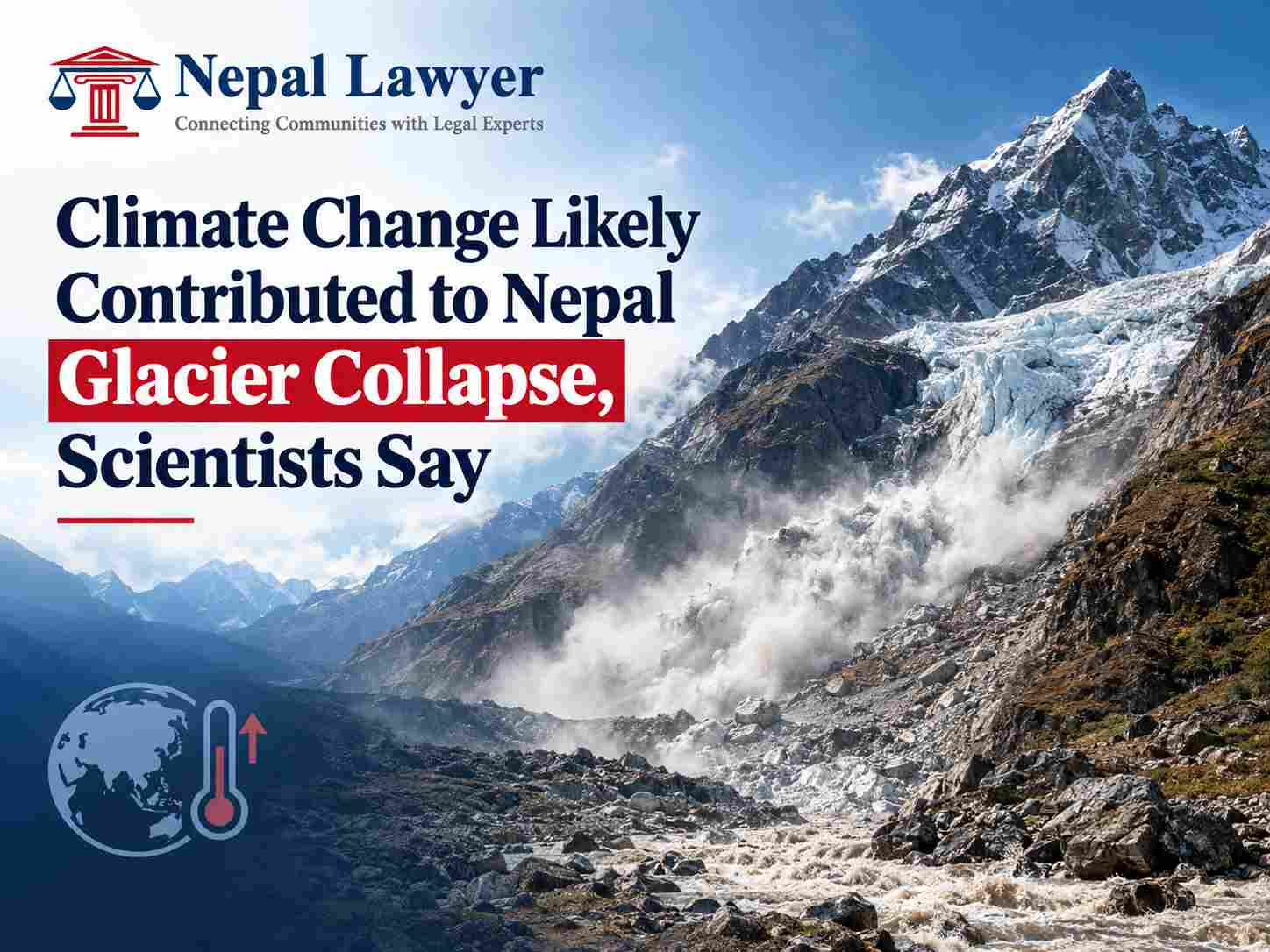
In his UN speech, Shah said the devastating floods should be a warning to the entire Himalayan region and urged greater cooperation between the Himalayan countries, better preparedness for disaster and reform of international climate financing framework. The Bhotekoshi-Trishuli floods have claimed the lives of at least 1,400 individuals, over 6,000 remain missing and Nepal's recovery is estimated to be about 10 percent of the GDP, Shah said. He parallelled the growing hazard due to floods, landslides and ice-rock avalanches with the warming climate and said that the impact of a warming climate on Nepal's development is becoming more and more pronounced.
One idea Shah had to present in his UN General Assembly address was the establishment of a Climate Resilience Mechanism among Nepal, India and China for the Himalayan region. The proposed mechanism would center on information sharing on satellite data and scientific knowledge, training on hazard monitoring of glacial lakes, strengthening early-warning systems and cross-border coordination of disaster responses. Increased cooperation would enable the Himalayan nations to better adapt to climate related hazards and avert them from becoming large scale disasters, Shah said.
Climate finance was another major focus of Shah’s address. He stated that countries most vulnerable to climate disasters shouldn't be solely relying on new loans to recover and build climate resilience. Shah urged increased grant-based climate finance on the issues, and lashed out at existing funds like the Loss and Damage Fund and Global Environment Facility as inadequate and hard to access for vulnerable countries. His remarks set the tone for the international affairs on climate justice, loss and damage and financial assistance to be made to climate-vulnerable countries while discussing flood recovery. Shah urges for change in the global system.
The Nepali Prime Minister also took his speech to the UN beyond the climate change issue, by talking about the inequalities in the international system of things. He compared the ease in which weapons can be transported across borders with how hard it is for poorer countries to get other critical supplies, like fertilizer, fuel and infrastructure materials. Shah urged for a fairer global economic system and bigger voice for smaller and vulnerable nations.
Internationally, Shah projected his message for accountability, jobs and better public institutions, while in the domestic sphere he linked his message to the demands of these issues. On the issue of disaster management, he urged Nepal to shift from being constantly reactive in the wake of disasters and more towards investing in preparedness, resilient infrastructure, early-warning systems, insurance and innovation.
He urged Nepal to move beyond disaster response to better preparedness, resilient infrastructure, early-warning systems, insurance and innovations on disaster management. He also pointed out the need to shift to low fossil fuel consumption. Shah's UN speech, therefore, was a broader appeal for climate cooperation and access to climate finance and strong international assistance for the vulnerable countries in the Himalayas in the aftermath of the Nepal floods.
Source: The Kathmandu Post