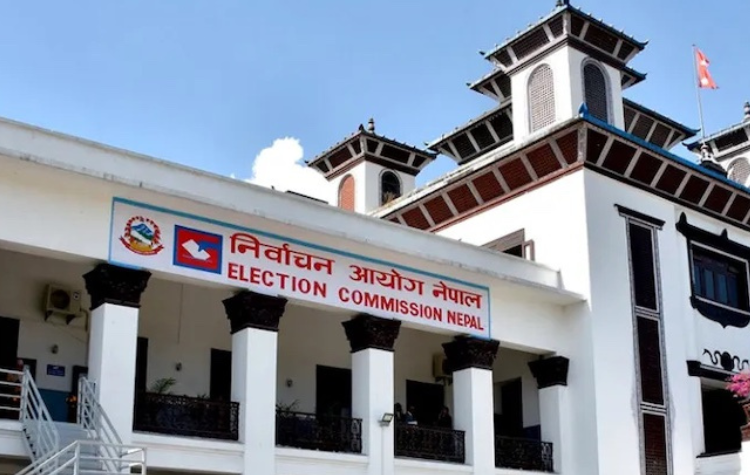
As Nepal heads toward the 2026 general elections, the mood across the country is restless, skeptical, and quietly expectant. This is not shaping up to be a routine vote. For many citizens, it feels like a moment of reckoning — a chance to decide whether the country continues along its familiar, unstable political path or finally moves toward something more credible and effective.
After years of revolving governments, broken promises, and economic strain, public patience is wearing thin. Conversations in tea shops, university campuses, and online forums reveal a common theme: voters want change, but they are unsure who can actually deliver it.
A Political System Under Strain
Nepal’s political instability has become almost normalized. Coalition governments rise and fall, leaders change, yet everyday problems remain stubbornly unresolved. Corruption scandals, weak service delivery, and political infighting have damaged trust in institutions. As a result, many voters now approach the 2026 elections with caution rather than enthusiasm.
This time, however, something feels different. Young people are more vocal, civil society is more alert, and the public is less willing to accept excuses. The election is increasingly seen as a test of whether Nepal’s democracy can respond to growing frustration — or whether it risks drifting further into disillusionment.
Traditional Parties on the Defensive
Nepali Congress: Between Legacy and Renewal
The Nepali Congress still carries the weight of history as a party associated with democracy and constitutionalism. But that legacy no longer guarantees loyalty at the ballot box. Internal power struggles and slow decision-making have made the party appear disconnected from younger voters.
While senior leaders emphasize stability and experience, younger figures within the party are pushing for reform and clearer answers on jobs, governance, and transparency. The unresolved tension between these two visions could either force overdue renewal — or further weaken the party’s appeal.
CPN-UML: Stability or Stagnation?
The CPN-UML remains one of the most organized political forces in the country, with a strong base across rural and semi-urban areas. Its message is likely to focus on nationalism, development, and strong leadership.
Yet critics argue that the party has struggled to translate its rhetoric into lasting results. For some voters, UML represents decisiveness; for others, it symbolizes the same political habits that have kept the country stuck.
Maoist Centre: Searching for Relevance
Once a transformative force in Nepali politics, the Maoist Centre now finds itself fighting to stay relevant. Its leaders continue to speak about social justice and inclusion, but many voters feel the party has lost its original direction.
The Maoists are widely expected to rely on alliances rather than stand alone, making their role after the election potentially more important than their performance during it.
New Faces, New Expectations
Perhaps the clearest sign of political change is the growing interest in alternatives. Newer parties and independent figures are attracting voters who feel exhausted by traditional politics. Their appeal is simple: fewer speeches, more results.
Figures like Kathmandu Mayor Balendra Shah have become symbols of this mood — not because they promise miracles, but because they communicate directly and act decisively. Whether such popularity can be turned into nationwide political success remains uncertain, but the impact on public expectations is already visible.
Young Voters Are Changing the Tone
Nepal’s youth are no longer passive observers. Many are voting for the first time, while others have grown tired of watching friends leave the country in search of opportunity. Jobs, education, fair competition, and dignity matter more to them than ideology.
Social media has amplified their voices, allowing frustration — and hope — to spread quickly. Political parties are aware of this shift, but many are still struggling to speak the language young voters want to hear.
Economic Worries Shape Every Conversation
Ask voters what matters most, and the answer is often economic. Rising prices, limited job prospects, and dependence on remittances dominate daily life. People are not looking for abstract development plans; they want practical solutions they can feel in their wallets.
So far, most parties acknowledge the problem, but clear and believable economic plans remain rare. This gap between promises and policy may prove decisive at the polls.
A Parliament Likely Without Clear Winners
Few expect the 2026 elections to produce a single dominant party. A fragmented parliament appears likely, bringing coalition politics back to center stage. For some, this raises fears of more instability. For others, it offers hope that no single group will be able to govern without compromise.
Smaller parties and independents could hold the balance of power, forcing major parties to negotiate more seriously — and perhaps listen more closely to public demands.
What Lies Ahead
More than anything, the 2026 elections reflect a country asking hard questions of its leaders. Voters are not necessarily looking for perfection; they are looking for honesty, effort, and a sense that their voices matter.
Whether Nepal’s political class can rise to that moment remains uncertain. What is clear is that blind loyalty is fading, patience is thin, and expectations are higher than ever.
When Nepalis cast their votes in 2026, many will be voting not just for a party or a leader, but for the hope that politics can finally start working for them — not the other way around.