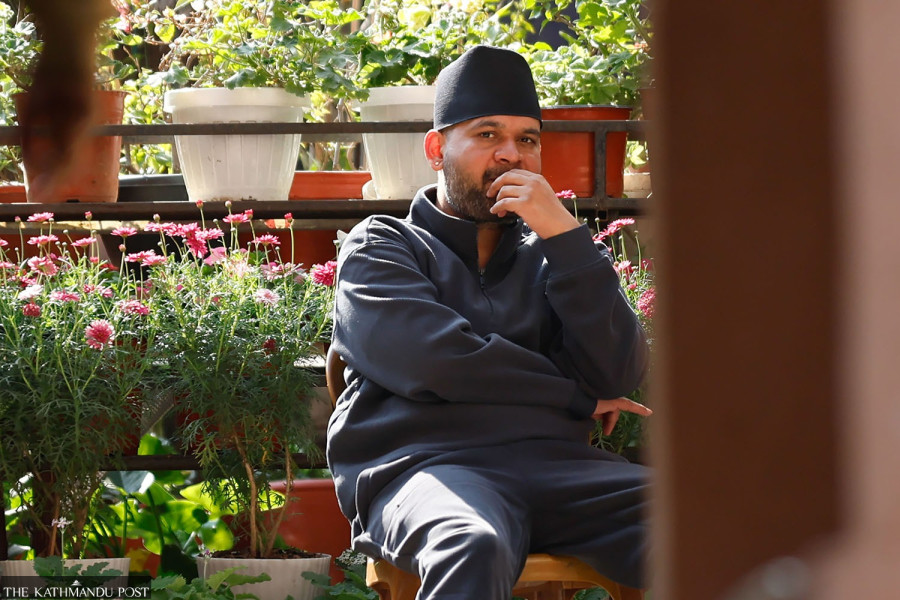
As Nepal approaches the pivotal March 5 election, the political landscape of the capital is vibrating with a unique energy. At the center of this political storm is Balendra Shah, popularly known as Balen Shah. The incumbent mayor of Kathmandu Metropolitan City has transcended his initial role as a protest candidate to become a formidable force in national politics. With the March 5 election looming, Shah’s campaign strategy and political positioning are offering a blueprint for a new generation of leadership in Nepal. This article delves into the intricacies of the Balendra Shah March 5 election campaign, analyzing his path to victory and the broader implications for the Nepal election 2026 cycle.
The upcoming electoral contest is not merely a local administrative procedure; it is a referendum on the performance of independent candidates in a dominantly party-based system. As reported by the intensity of the current campaign season suggests a departure from traditional party politics, with Shah’s movement at the vanguard.
The Core of the Balen Shah Campaign Strategy
The Balen Shah campaign has consistently defied conventional political wisdom, and his approach to the March 5 election is no exception. Unlike traditional candidates who rely heavily on door-to-door canvassing by party cadres, Shah’s strategy is a hybrid of digital mobilization and high-visibility public works. His campaign leverages his massive social media following to bypass traditional media gatekeepers, communicating directly with the youth of Kathmandu.
Central to the Balendra Shah March 5 election strategy is the narrative of "performance over promises." Having spent the last years in office focusing on infrastructure development and waste management within the metropolitan limits, Shah is seeking to expand his influence. The campaign is increasingly focusing on systemic reforms that go beyond the jurisdiction of the mayoral office, positioning him as a regional leader capable of influencing national policy.
Observers note that the Nepal political campaign ecosystem is shifting due to Shah’s influence. His ability to crowd-source support and funding reduces his dependency on party benefactors, allowing him to maintain a stance of autonomy. This independence resonates deeply with a voter base fatigued by the cyclical corruption and inefficiency of established parties like the Nepali Congress and the CPN-UML.
Political Positioning Among March 5 Election Candidates
In the crowded field of March 5 election candidates, distinguishing oneself is a challenge. However, Balendra Shah occupies a distinct lane. He has successfully positioned himself as the antithesis of the "old guard." While his opponents trade accusations regarding bureaucracy and past failures, Shah’s platform focuses on tangible results and urban modernization.
This positioning is critical for the Nepal election 2026 context. As urban centers in Nepal continue to expand, the electorate is becoming more concerned with issues like traffic management, pollution, and urban planning—issues that traditional rural-centric parties have often struggled to address. Shah’s background as an engineer and a rapper allows him to connect with the urban youth demographic on a cultural level that career politicians cannot replicate.
Furthermore, The Kathmandu Post has highlighted how Shah is navigating alliances. While he ran as an independent, the realities of governance require strategic partnerships. His campaign involves a delicate balancing act: maintaining his "outsider" appeal while engaging in the necessary political maneuvering to pass legislation. This nuanced approach to Kathmandu politics is expanding his appeal beyond his initial core of young, first-time voters to include older demographics tired of political instability.
The Road to Nepal Election 2026: Challenges and Opportunities
The path to the March 5 election is not without hurdles for Shah. The heightened scrutiny that comes with incumbency means that every administrative failure is amplified by his opponents. Critics often point to the slow pace of bureaucratic reform within the metropolitan office, arguing that his style is better suited for campaigning than for the intricate mechanics of governance.
However, these challenges also present opportunities. The Nepal election 2026 cycle is likely to be defined by the clash between traditional party machinery and emerging independent movements. A strong showing for the Balen Shah campaign in the lead-up to March 5 could solidify the "independent wave" as a permanent feature of Nepali politics.
The significance of this election extends beyond the borders of Kathmandu. Political analysts are watching the Balendra Shah March 5 election efforts as a case study for other metropolitan cities in Nepal. If Shah can successfully translate his urban popularity into broader political capital, it may encourage similar independent candidates in cities like Pokhara and Lalitpur to challenge the status quo.
Additionally, the campaign is addressing the "silence" of the youth. In previous elections, voter apathy among the younger generation was a concern. Shah’s rhetoric, which often mixes直言不讳的社会评论 with policy discussions, has re-engaged this demographic. The high turnout projections for youth voters in the March 5 election are largely attributed to his mobilization efforts.
Conclusion: A Defining Moment for Kathmandu
The Balendra Shah March 5 election campaign represents more than just a bid for office; it is a test of the maturity of Nepal's democratic experimentation. As the country moves toward the broader Nepal election 2026 landscape, the lessons learned from Shah’s tenure and campaign will be pivotal.
His ability to blend the roles of an administrator, a celebrity, and a political activist has created a new template for success in Kathmandu politics. Whether one agrees with his policies or not, the impact of the Balen Shah campaign on the discourse of the March 5 election is undeniable. He has forced established parties to confront issues they previously ignored, from digital governance to cultural preservation in the capital.
As voters head to the polls, the question remains whether this anti-establishment momentum can withstand the pressure of entrenched political networks. For now, the Balendra Shah campaign stands as a beacon of change, signaling a potentially transformative era for Nepal's political future.
Stay tuned to our blog for continuous updates on the March 5 election results and in-depth analysis of the shifting power dynamics in Nepal.