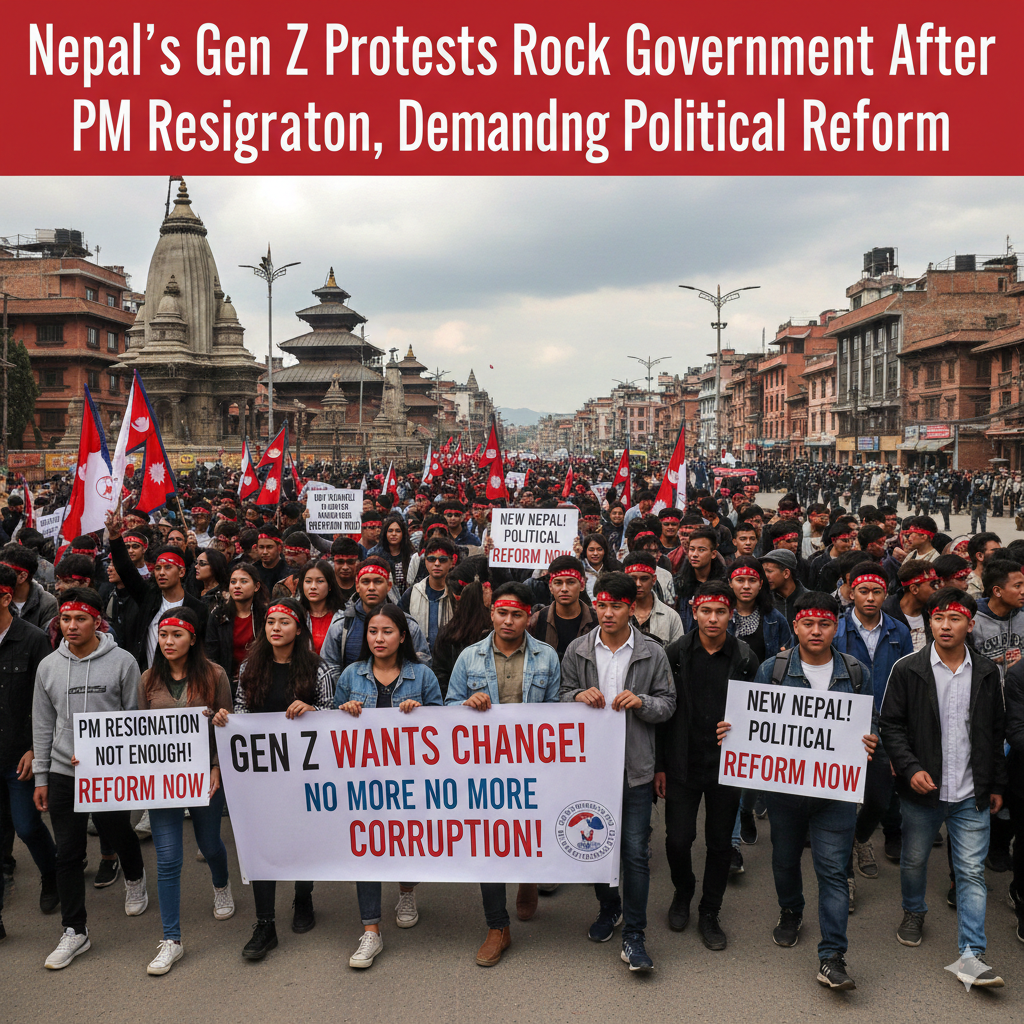
Nepal's Gen Z Protests Rock Government After PM Resignation, Demanding Political Reform
A youth movement that began online escalates into deadly violence, highlighting deep-seated grievances as an interim government prepares for March elections
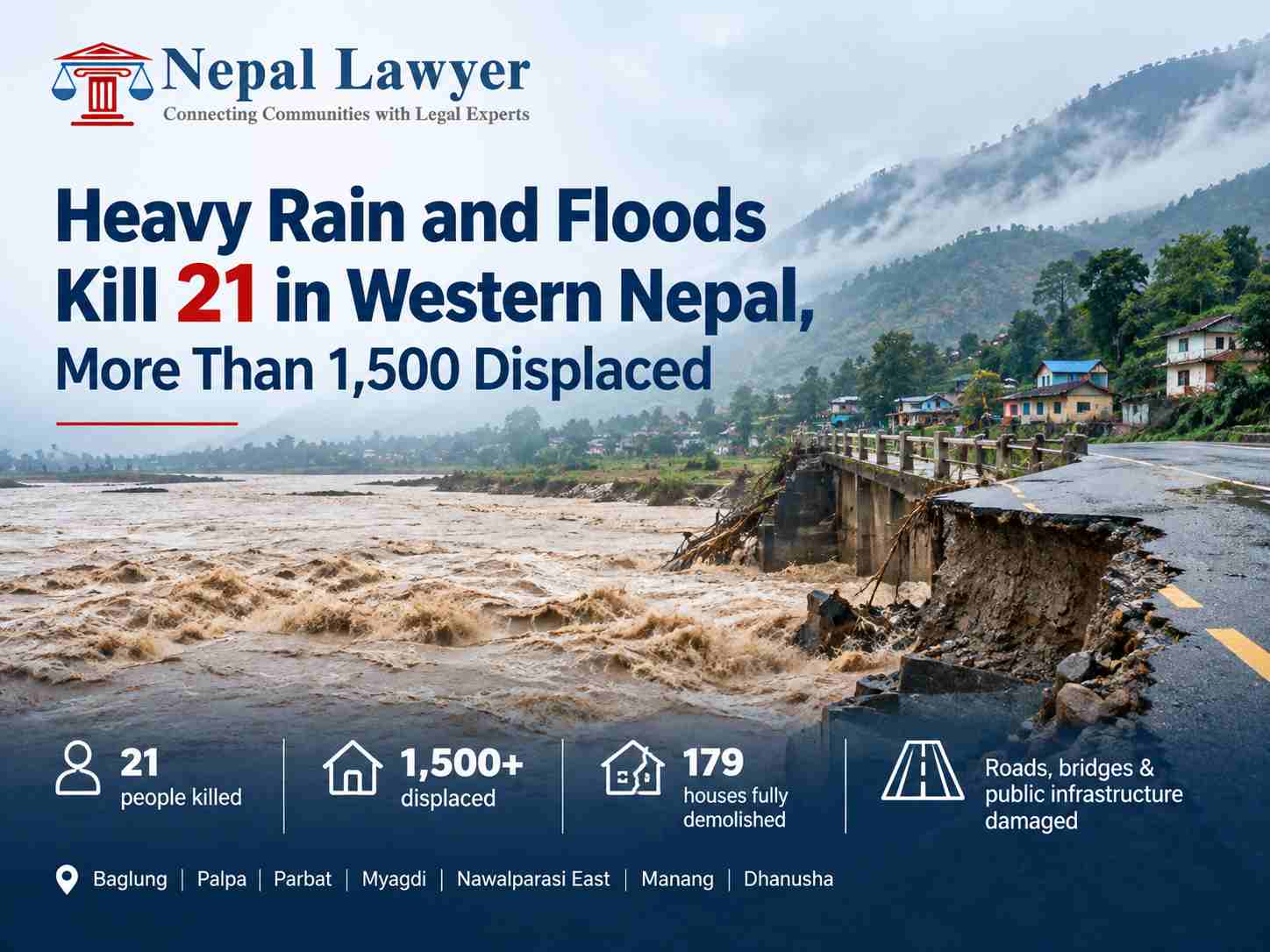
KATHMANDU, Nepal – A Gen Z-led protest movement that escalated into deadly violence, resulting in 21 deaths and over 400 injuries, has forced the resignation of Prime Minister KP Sharma Oli and plunged Nepal into a profound political crisis. The turmoil, stemming from a viral social media movement against elite privilege and erupting after a government shutdown of 26 platforms, has exposed deep fractures over youth unemployment, corruption, and failed governance.
"It was a cry for recognition and fairness," explains Prabesh Raj Joshi, Director of the Asian Academy for Peace, Research and Development (AAPRD), a Nepal-based peacebuilding organization, of the "NepoKid" movement that fueled the unrest. "The younger generations no longer wish to be kept silent and to suffer the burden of corruption, silence, opacity and oppression."
The country now faces a critical juncture as an interim government prepares for elections in March 2026, tasked with addressing the demands of a youth movement that has demonstrated its power to disrupt the nation.
The Digital Spark: From 'NepoKid' Movement to Social Media Shutdown
The roots of the September crisis lie in the "NepoKid" or "NepoBaby" social media trend that went viral in August 2025. The movement saw young Nepalis contrasting their own struggles with the lavish lifestyles of the children of political elites, channeling widespread anger over corruption and a lack of opportunity.
The timing was particularly volatile, with Nepal facing a staggering youth unemployment rate of 20.85% for those aged 15-24 in 2024, according to the World Bank.
In a move widely seen as an attempt to silence dissent, the government abruptly shut down 26 social media platforms on September 4th. This social media shutdown backfired, acting as a catalyst for protests. Young activists migrated to encrypted platforms like Discord to organize, demonstrating a resilience that thwarted the government's censorship efforts.
The Deadly Escalation: From Protest to Political Crisis
On September 8th, peaceful demonstrations across all seven provinces turned violent. Security forces opened fire on crowds, and protesters stormed government buildings, leading to a full-blown national crisis. By the end of the day, 21 people were dead and over 400 injured.
The international community reacted swiftly, with UN Secretary-General António Guterres urging restraint and compliance with human rights law. The sheer scale of the violence and the public outcry made the prime minister's position untenable, leading to KP Sharma Oli's resignation and the formation of an interim government.
A Fragile Peace: The Interim Government and the Road to Elections
The resignation has brought a momentary calm, but the underlying political instability remains. Nepal has seen eight successive government changes since 2015, fostering a deep-seated skepticism among its youth.
An interim cabinet led by former Chief Justice Sushila Karki has been established, with elections scheduled for March 2026. However, many young protesters view this as a reactive, rather than transformative, measure. They are demanding more than a change in leadership; they are calling for systemic reform to address the corruption and economic disparity that fueled their movement.
The Challenge of Peacebuilding: Bridging the Generational Divide
As Nepal attempts to navigate this crisis, significant barriers to meaningful dialogue persist. According to expert Prabesh Raj Joshi, the Gen Z movement's "faceless and leaderless" nature, while a strength for mobilization, is a vulnerability in political negotiations. The movement also suffers from internal divisions between factions seeking reform and those demanding revolution.
"The leadership wanted peaceful dialogue, but anger and frustration overwhelmed some participants," Joshi noted, highlighting the split that complicates the path forward.
The upcoming Fourth Nepal Dialogue Summit, scheduled for November 20-21, 2025, is seen as a crucial opportunity for peacebuilding. The summit aims to create a structured platform for young people's voices to be heard by decision-makers, translating broad calls for change into actionable reforms.
Historical Context: A Nation of Unfulfilled Promises
The current protests echo Nepal's recent history. The 2008 "people's war" that ended the monarchy was supposed to usher in an era of democratic governance and social justice. However, many of those revolutionary promises remain unfulfilled, and corruption has become endemic.
This legacy of broken promises fuels the current movement. Nepal's Truth and Reconciliation Commission, established after the 2006 Comprehensive Peace Accord, remains incomplete, leaving past traumas unaddressed. As Joshi warns, "If we do not address past traumas... our future will see more protests and more violence."
A Global Moment: A Youth Uprising Crossing Borders
Nepal's Gen Z uprising is part of a global trend of youth-led protests demanding justice, inclusion, and an end to corruption. From Morocco to Sri Lanka, young people are using social media to coordinate and demand systemic change.
The path Nepal chooses—repression or dialogue—will offer crucial lessons for other nations grappling with these generational demands. For now, the country stands at a crossroads, with the hope that sustained, inclusive dialogue can bridge the deep divides and lead to a more just and stable future.